
Cozy Wildlife Journal
Travel across the world documenting hundreds of unique animals and complete your Wildlife Journal!
Über dieses Modpack
Welcome to Cozy Wildlife Journal
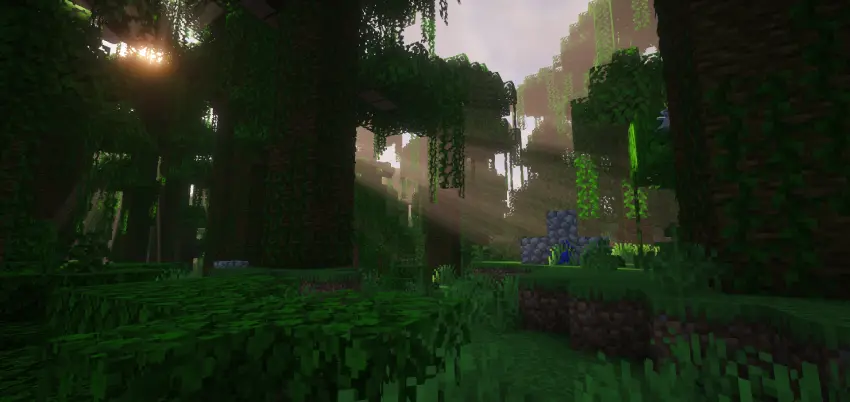
A relaxing exploration and wildlife-focused modpack built around discovery, adventure, and documenting the natural world (in some cases even the unnatural).
Your goal is simple:
Explor the world, find animals, and complete your journal!

Travel through forests, mountains, rivers, oceans, caves, snowy landscapes, and more as you search for hundreds of different creatures from all around your world. From tiny insects and colorful birds to aquatic life and rare wildlife, every new discovery brings you closer to completing your journal.
Unlike traditional progression-heavy modpacks, Cozy Wildlife Journal focuses on relaxing exploration, quest-based wildlife discovery and immersive atmosphere.
Exploration Rewards:
Completing quests reward you with special themed supply packs filled with useful resources, food, materials, and eploration tools to help you continue your adventure.
Final Reward:
Players who fully complete the Wildlife Journal will unlock a special decorative trophy to commemorate their journey and dedication.

Perfect for players who enjoy cozy Minecraft experiences, exploration-focused gameplay, and relaxing quest progression.
Issues & Feedback:
If you find any issues, please report them on our Discord server. The same goes for suggestions!
Mod links for attribution requirements:
Spoiler
Simple Voice Chat mod: https://www.curseforge.com/minecraft/mc-mods/simple-voice-chat
Naturalist mod: https://www.curseforge.com/minecraft/mc-mods/naturalist
Cozy Wildlife Journal Server einrichten
Server bestellen
Wähle mindestens 6 GB RAM (8 GB empfohlen für Cozy Wildlife Journal). Je nach Spieleranzahl: +1 GB pro 5 Spieler.
Modpack im Dashboard installieren
Öffne den Modpack-Browser im Dashboard, suche nach "Cozy Wildlife Journal" und klicke "Installieren". Der fabric-Loader und Minecraft 1.20.1 werden automatisch konfiguriert.
Server starten & spielen
Starte den Server – alle Mods werden automatisch geladen. Teile die Server-IP mit Freunden und spielt zusammen!
Häufige Fragen
Cozy Wildlife Journal Server crasht oder startet nicht – was tun?
Häufigste Ursachen: zu wenig RAM oder falscher fabric-Loader. Prüfe latest.log auf "OutOfMemoryError" → erhöhe RAM auf mindestens 8 GB. Bei "Mixin" oder "ClassNotFoundException": Modpack-Version und Loader stimmen nicht überein. Bei Mado Hosting werden Loader und Minecraft-Version beim Modpack-Install automatisch konfiguriert – das verhindert die meisten Startprobleme.
Wie viel RAM braucht ein Cozy Wildlife Journal Server wirklich?
Minimum 6 GB, empfohlen 8 GB für stabile Performance. +1 GB pro 5 Spieler. Wichtig: Minecraft-Modpacks brauchen mehr RAM als Vanilla – plane pro zusätzlichem Spieler extra ein. Bei Mado Hosting kannst du den RAM jederzeit live hochskalieren, ohne Datenverlust (ab €12/Monat).
Kann ich eigene Mods zu Cozy Wildlife Journal hinzufügen, ohne Konflikte?
Ja, aber achte auf die Kompatibilität: Nutze nur Mods für den gleichen Loader (fabric) und die gleiche Minecraft-Version (1.20.1). Häufige Probleme: ID-Konflikte bei Rezept-Mods und inkompatible Coremod-Versionen. Im Mado Dashboard zeigt der Mod-Browser nur kompatible Mods an und warnt bei bekannten Konflikten.
Cozy Wildlife Journal Server laggt – Performance-Tipps
1) RAM auf 8 GB+ erhöhen. 2) Server-View-Distance auf 8 reduzieren (server.properties). 3) Pre-Generiere Chunks mit dem "Chunky" Plugin. 4) Prüfe mit /spark profiler welche Mods die meiste Tick-Time verbrauchen. Bei Mado Hosting laufen alle Server auf NVMe-SSDs mit dedizierten CPU-Kernen – das eliminiert Hardware als Engpass.
Ähnliche Modpacks
![Cobblemon Official Modpack [Fabric]](https://cdn.modrinth.com/data/5FFgwNNP/e7f9ee2e9d361623847853fe2ddce42f519ee64f.png)
![COBBLEVERSE - Pokemon Adventure [Cobblemon]](https://cdn.modrinth.com/data/Jkb29YJU/581ecf54530972afb18a04660afd820f2f24f6c7.png)
![Better MC [FABRIC] - BMC2](https://cdn.modrinth.com/data/shFhR8Vx/a19c2bcb51d38f32f138d3607e91cb2b7b8e387f_96.webp)


![Better MC [FORGE] - BMC4](https://cdn.modrinth.com/data/4BV47HRn/7f5ef7cc61b2593609aabef3ed07a866a4f11b73_96.webp)
Cozy Wildlife Journal Server mieten
Starte deinen eigenen Server mit automatischer Modpack-Installation.
Details
- Lizenz
- LicenseRef-All-Rights-Reserved
- Server-seitig
- Erforderlich
- Client-seitig
- Erforderlich
Unterstützte Versionen
Starte deinen Cozy Wildlife Journal Server jetzt
Ab €12.00/Monat mit 8 GB RAM für die beste Performance.
Server konfigurieren →