
Koil
A project for developers by developers
Screenshots
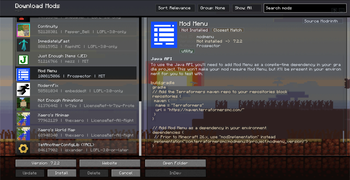
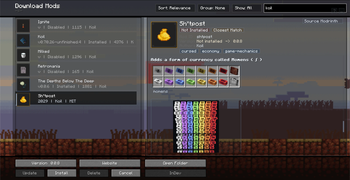
About this Mod
=============================================================================================
    ██╗  ██╗ ██████╗ ██╗██╗       File: https://modrinth.com/mod/koil/settings/description
    ██║ ██╔╝██╔═══██╗██║██║       ----------------------------------
    █████╔╝ ██║   ██║██║██║       Platform: Modrinth
    ██╔═██╗ ██║   ██║██║██║       Owner: SpiritXIV
    ██║  ██╗╚██████╔╝██║███████╗  Org: Koil
    ╚═╝  ╚═╝ ╚═════╝ ╚═╝╚══════╝  -----------------------------------
=============================================================================================


Pre note: as of 6/7 I accidentally deleted the version 0.70.25 from the modrinth and thats what gave us the over 4k downloads, I won't be uploading it again as it still isn't compatable with the 0.70.26 changes that are happening
You can still download 0.70.25 directly from inside of Koil after installation, and the koil-online-data github, but it still won't work. The new system has changed files that 0.70.25 cant find anymore.
What is Koil?
Koil is a Minecraft 1.20.1 Fabric/Quilt utility mod built to turn your client into an in-game control center for a modded instance.
Koil adds real tools inside Minecraft for managing mods, editing configs, testing and browsing files, installing content, reading logs, building packages, changing skins locally, managing shaderpacks, checking performance, reading stats, and controlling your own runtime systems.
The point of Koil is simple: do more from inside the game instead of constantly leaving Minecraft to open folders, edit files, check configs, search for content, compare stats, or manage files by hand.
Current Base
| Area | Status |
|---|---|
| Minecraft version | 1.20.1 |
| Loader support | Fabric / Quilt |
| Required dependency | Fabric API |
| Java requirement | Java 17 |
| Public version | 0.70.25 |
| Unfinished version | 0.70.26-unfinished.9 |
| Beta branches | public / .unfinished / .frequent |
| License | MIT |
| Runtime folder | ./koil |
| Main config | ./koil/sys/config.json |
| Design config | ./koil/sys/design/design.json |
| Logs | ./koil/logs |
| Package output | ./koil/packages/built |
| Automation folder | ./koil/automation |
Main Features
| System | What it does |
|---|---|
| First Launch Bootstrap | Shows Koil's first launch terms, downloads needed system files, tracks progress, and creates fallback design data when needed. |
| Update System | Handles public, .unfinished, and .frequent update branches with structured changelog data, jar files, update toasts, and download state. |
| Installed Mod Manager | View installed mods, sort/filter/group them, open folders, open configs, import jars, disable mods, delete mods, and view local or online metadata. |
| Content Browser | Search and install mods, resource packs, datapacks, shaderpacks, and server content from inside Minecraft. |
| Shaderpack Manager | Manage local shaderpacks with search, import, folder actions, enable/disable/select states, Modrinth metadata, icons, tags, and matching preview panels. |
| Skin Changer / Skin Editor | Save skins, preview skins, fetch skins from player names, edit skin pixels, apply local skins, restore account skins, and manage skin library entries. |
| Config Editor | Edit JSON, JSON5, TOML, YAML, properties, CFG, CONF, INI, and TXT config files with typed controls. |
| File Explorer | Browse instance files, preview files, open folders, rename, delete, copy paths, and open files in the correct Koil tool. |
| File Editor | Edit text/code/config files in-game with syntax highlighting and file-type detection. |
| Package System | Build and install Koil packages that can add, replace, or remove instance files after review. |
| Console System | Read Koil logs, package logs, Minecraft logs, and CLI output in-game with search, suggestions, command input, and external window support. |
| Screen Redesign | Redesigns many vanilla screens with Koil chrome, top bars, footer actions, info popups, folder actions, and screen tools. |
| Performance Optimizer | Adds an optimization screen that shows live backend processing info, bottlenecks, diagnostics, recommendations, and supported setting changes. |
| Stats Screen / Market | Rebuilds the vanilla stats screen and adds block, item, entity, activity, and currency market tracking based on world and player stats. |
| F3 Redesign | Turns debug data into readable panels, meters, graph cards, target inspection, self data, world data, and performance debugging views. |
| KTL Automation | Experimental automation system for .ktl task files, /run prompts, proof testing, command routing, and structured feedback. |
| Runtime Design Config | File-backed backgrounds, sounds, color values, UI themes, design folders, and UI settings that can be changed from Koil's config files. |
First Launch and Update System
Koil now has a first-launch flow and a stronger update system for the new 0.70.26 work.
First launch features:
- Shows a terms screen before Koil writes or downloads its system files
- Explains the files Koil creates and manages
- Lets the user accept or deny Koil bootstrap setup
- Lets the user choose whether the redesigned UI should be enabled
- Downloads needed system files after the terms are accepted
- Shows download progress, skipped files, error counts, and event logs
- Shows a file tree while system files are being prepared
- Creates fallback design data when downloaded design files are missing
Update system features:
- Supports Public,
.unfinished, and.frequentupdate branches - Detects the active branch Koil should use
- Supports beta-only update branch access
- Shows structured releases, files, update sections, and update types
- Tracks refresh, download, and result state
- Uses typed update toasts so update messages match their category
- Lets unfinished and frequent builds have their own jar files and changelog entries
This lets Koil move forward with public builds and beta builds without mixing all update data into one flat changelog.
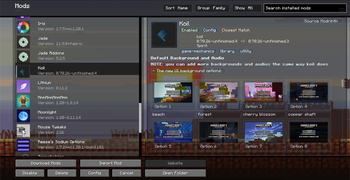
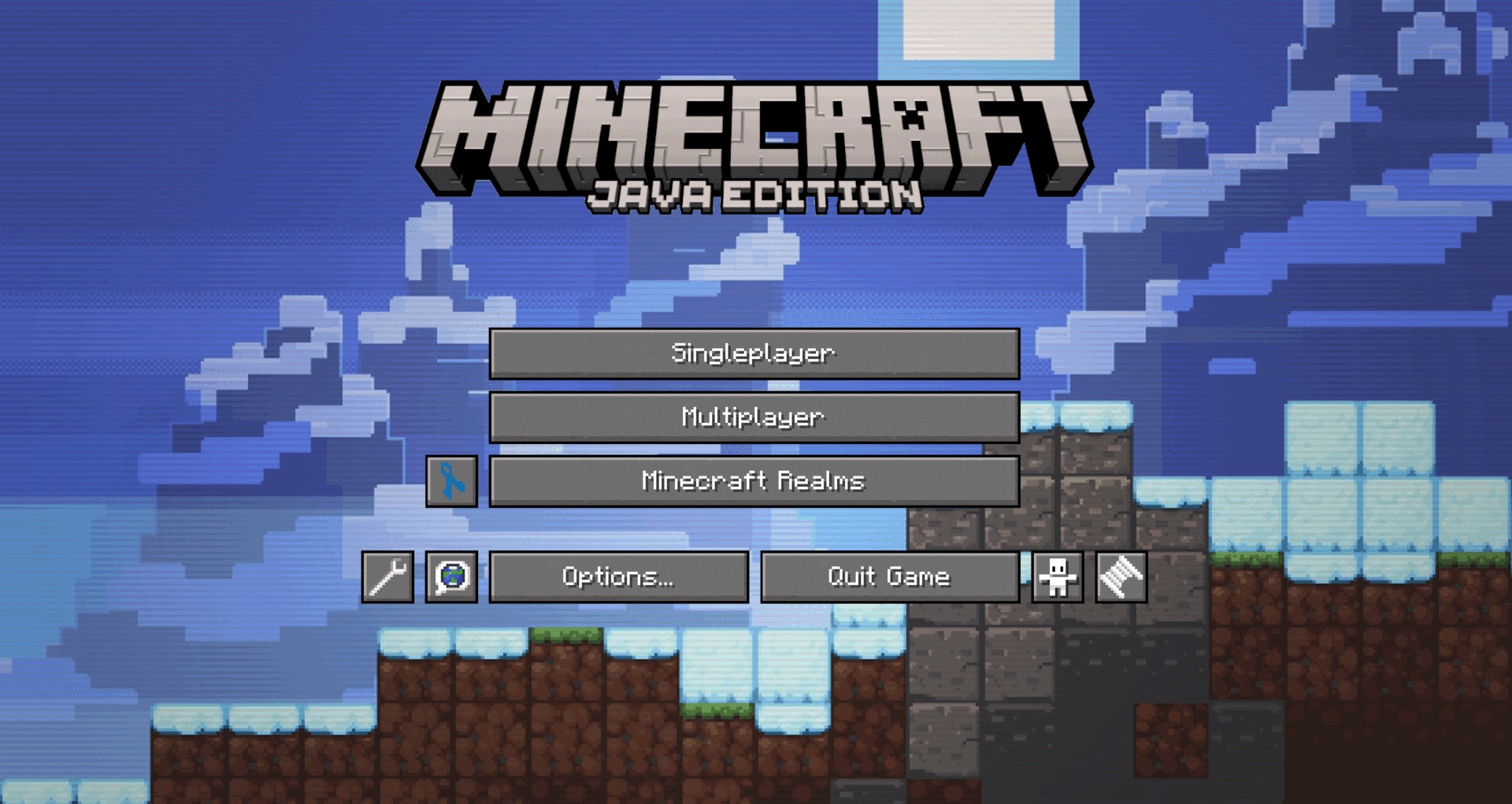
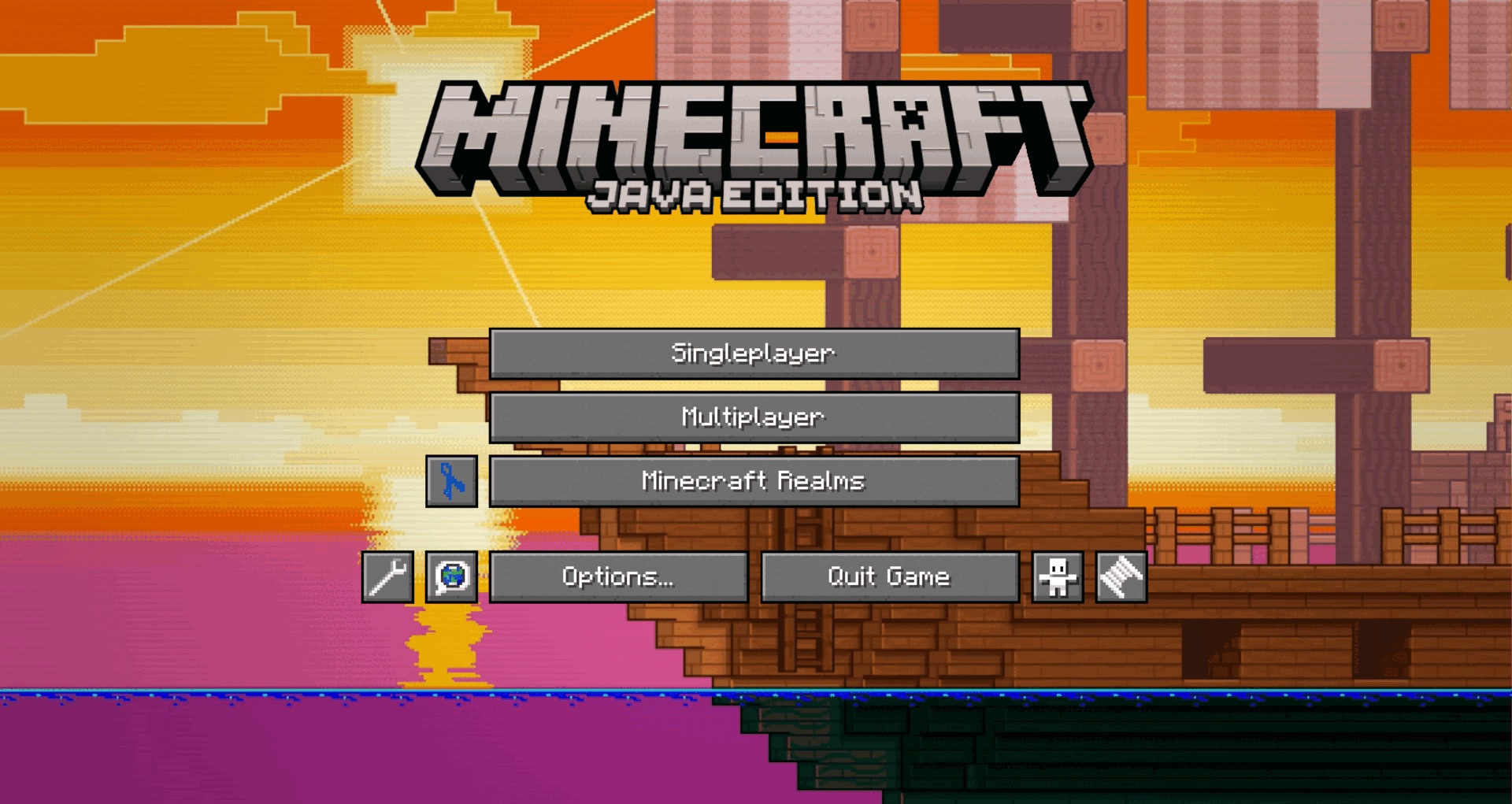
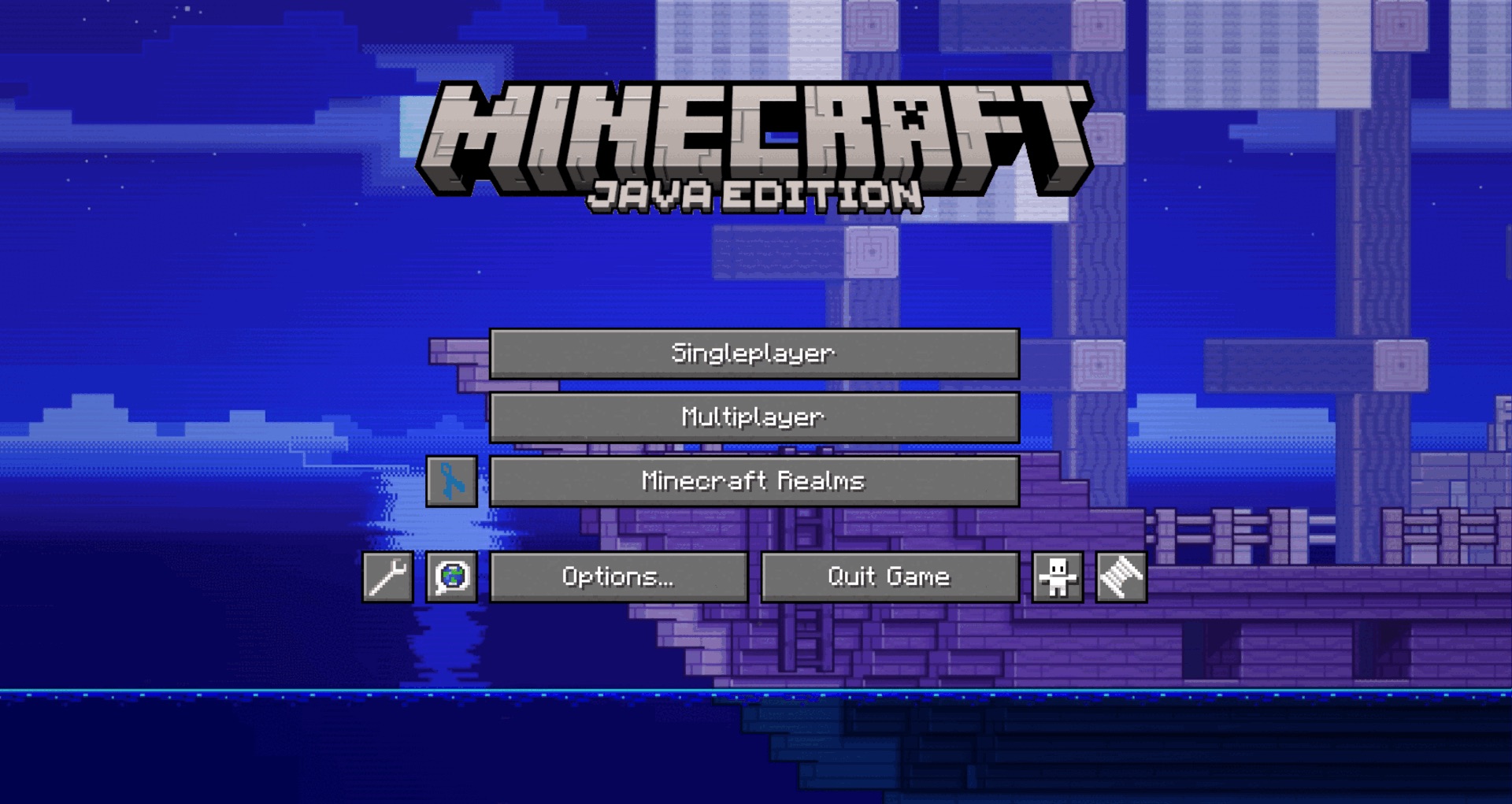
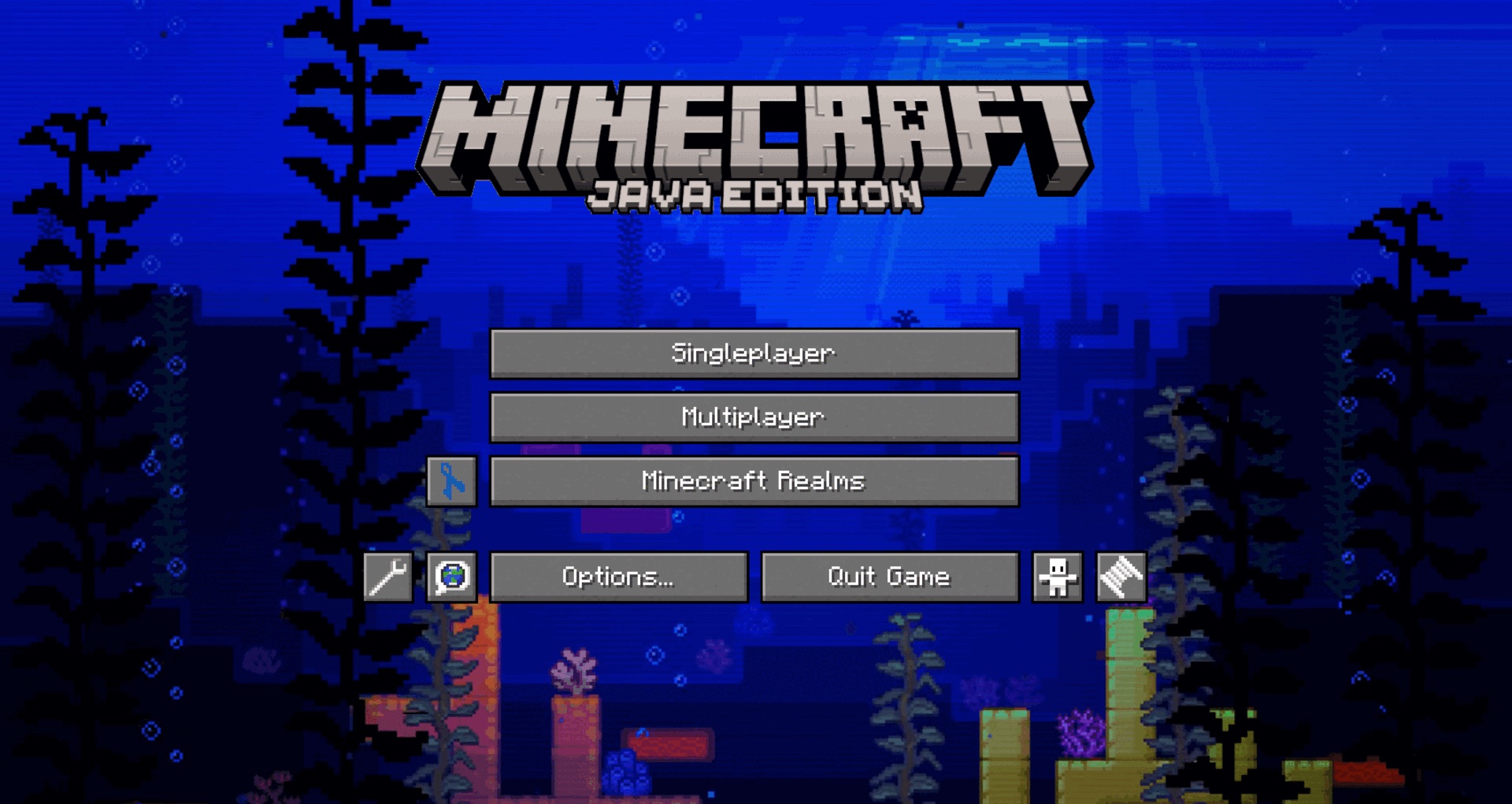
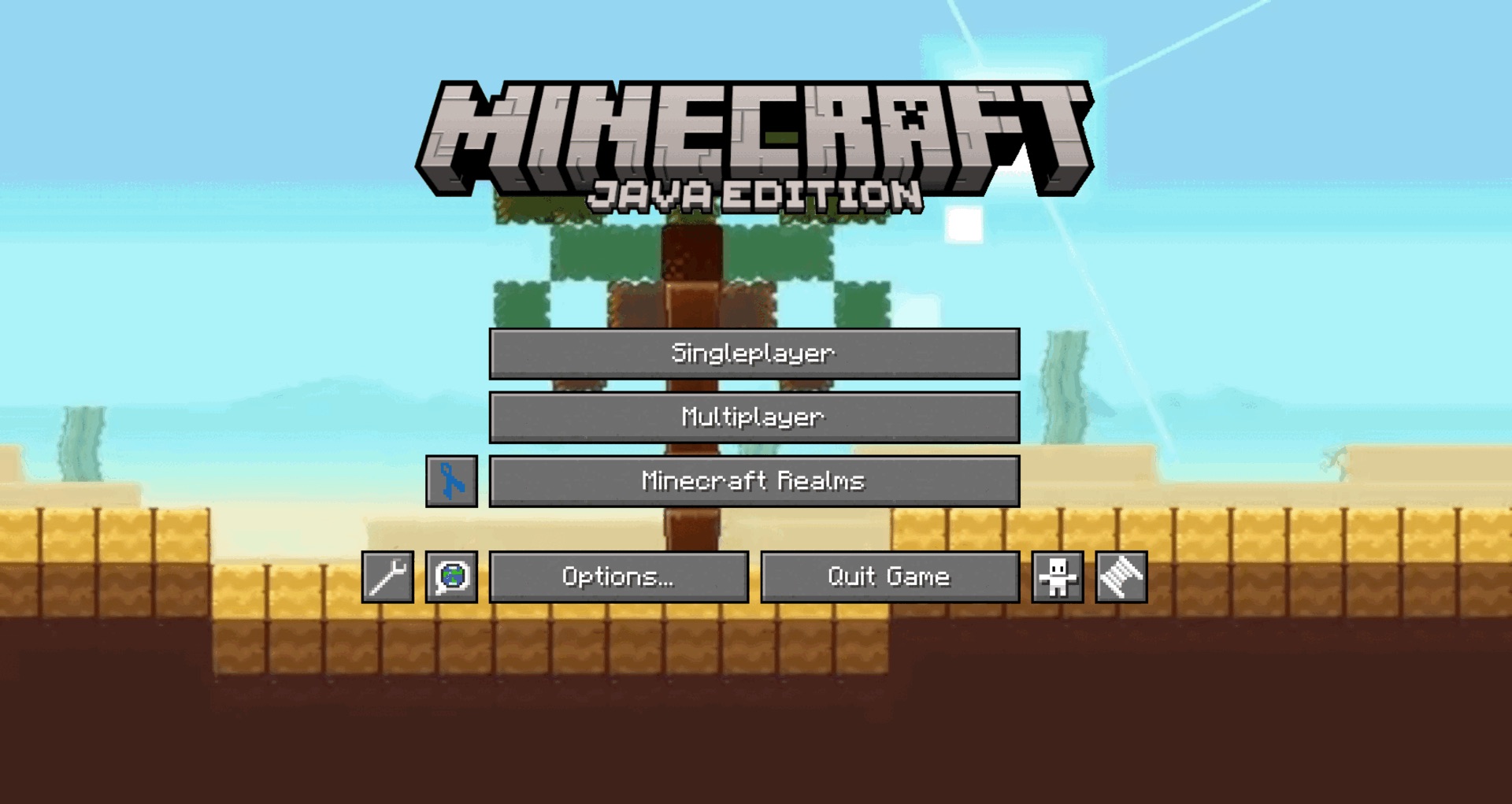
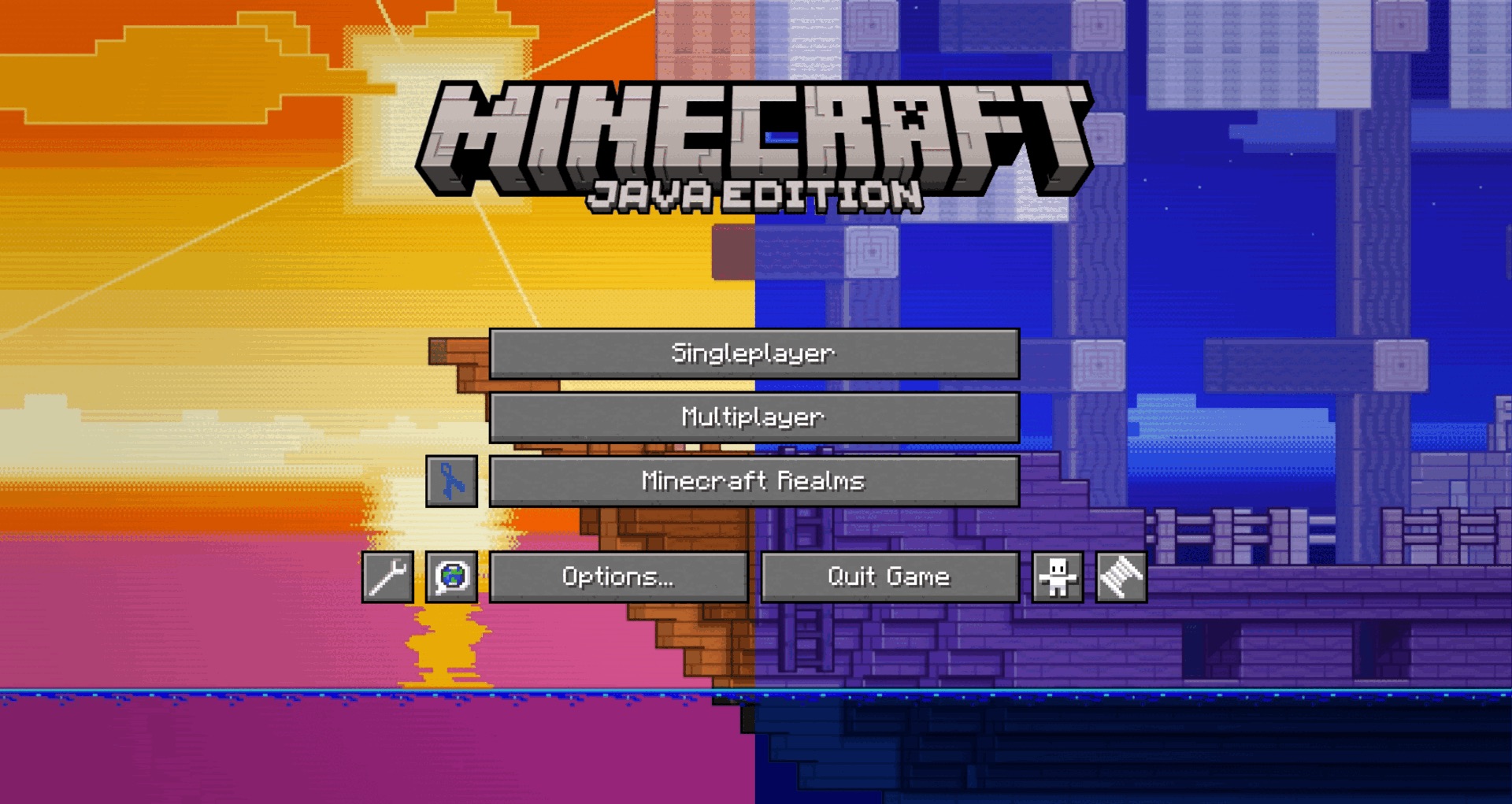
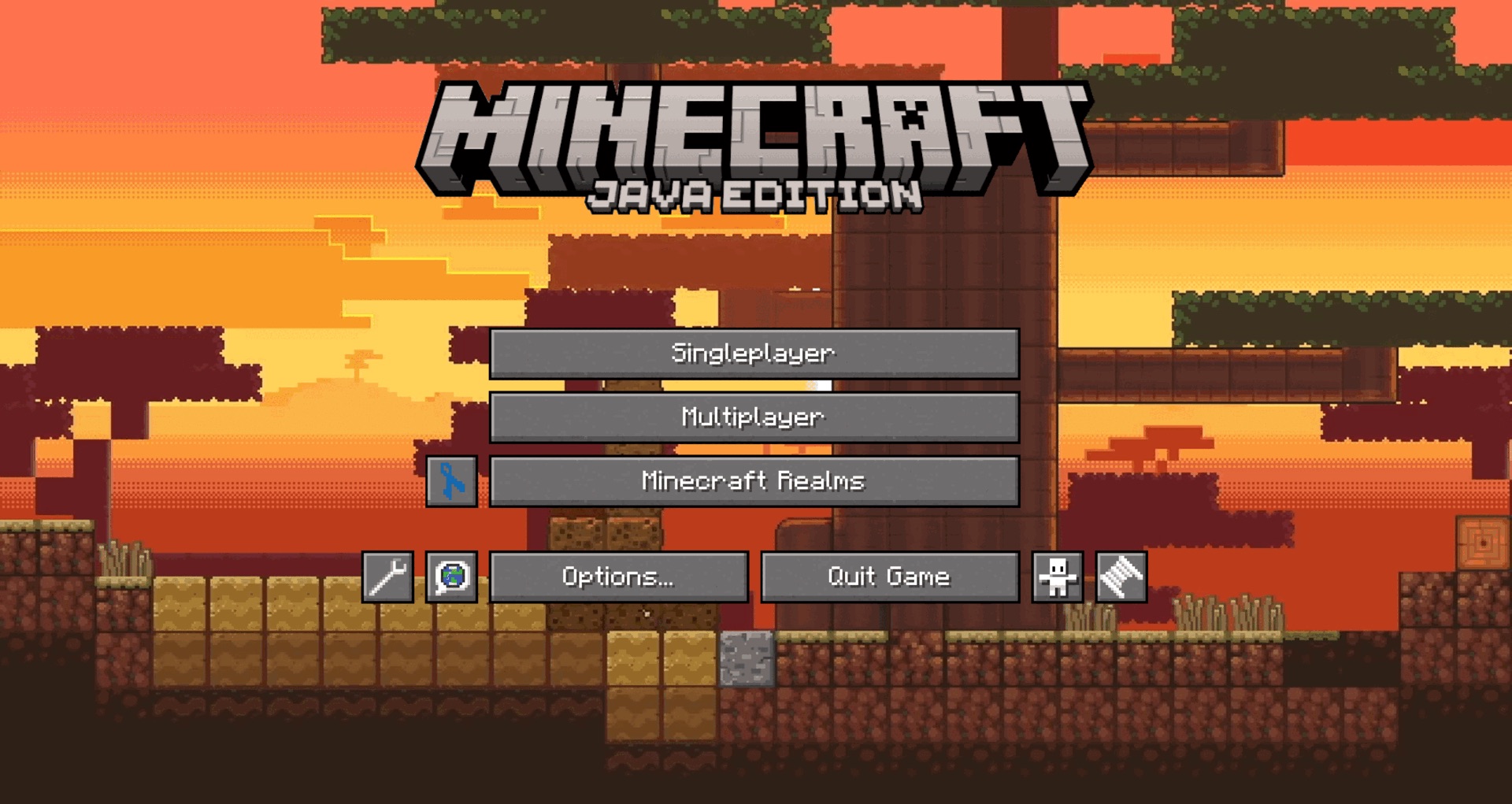
Default Background and Audio
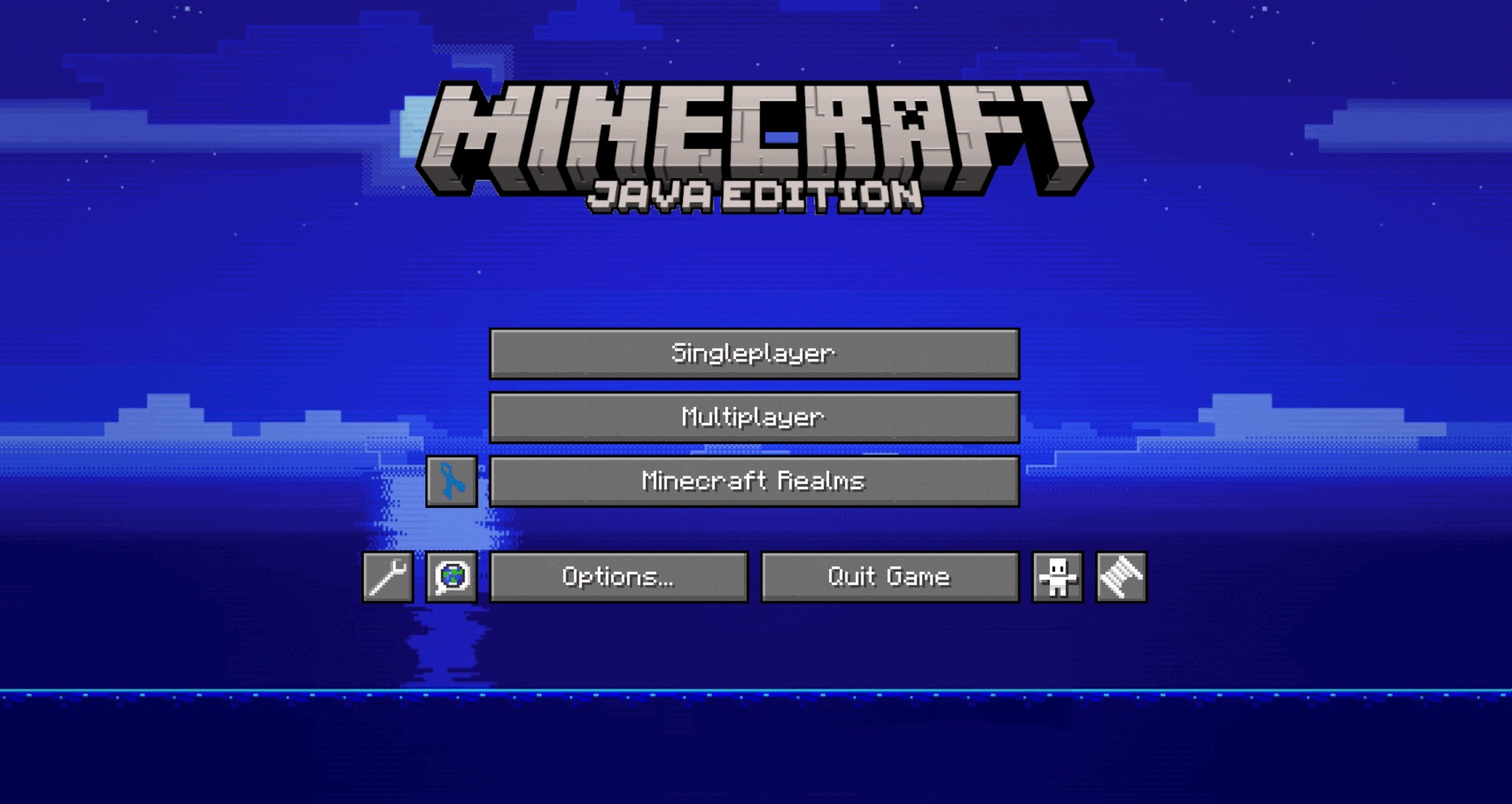
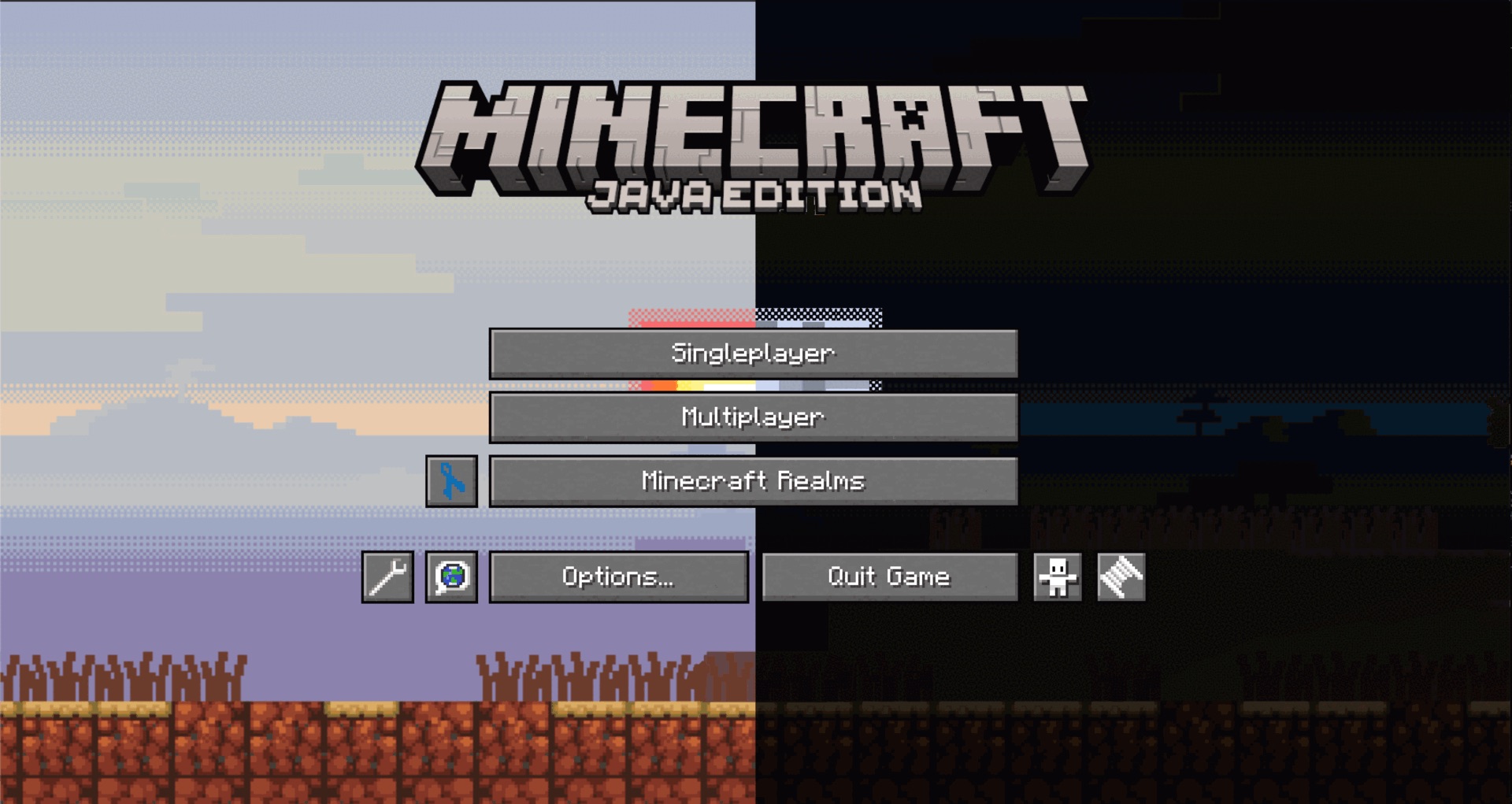
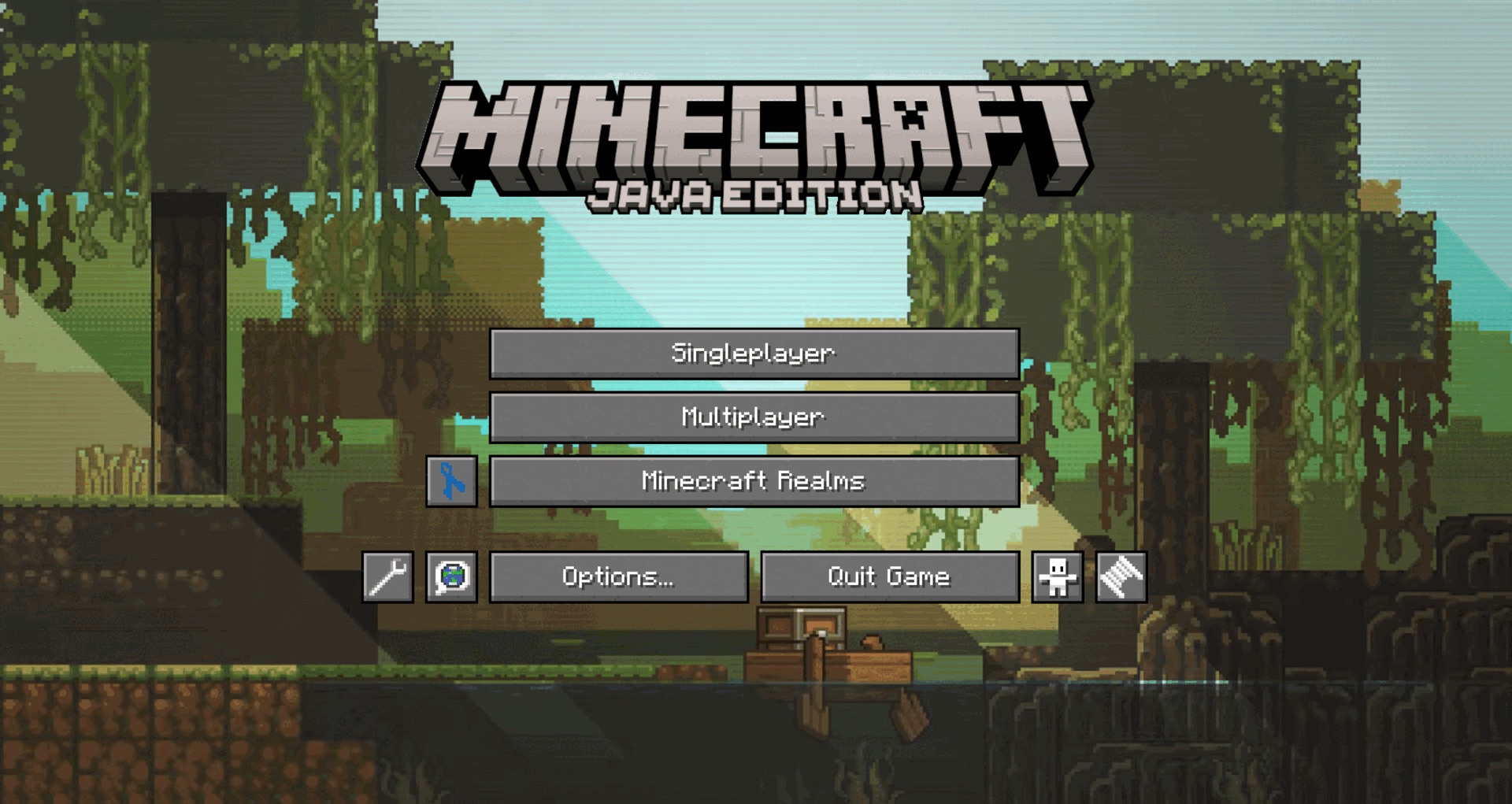
NOTE: you can add more backgrounds and audios the same way koil does
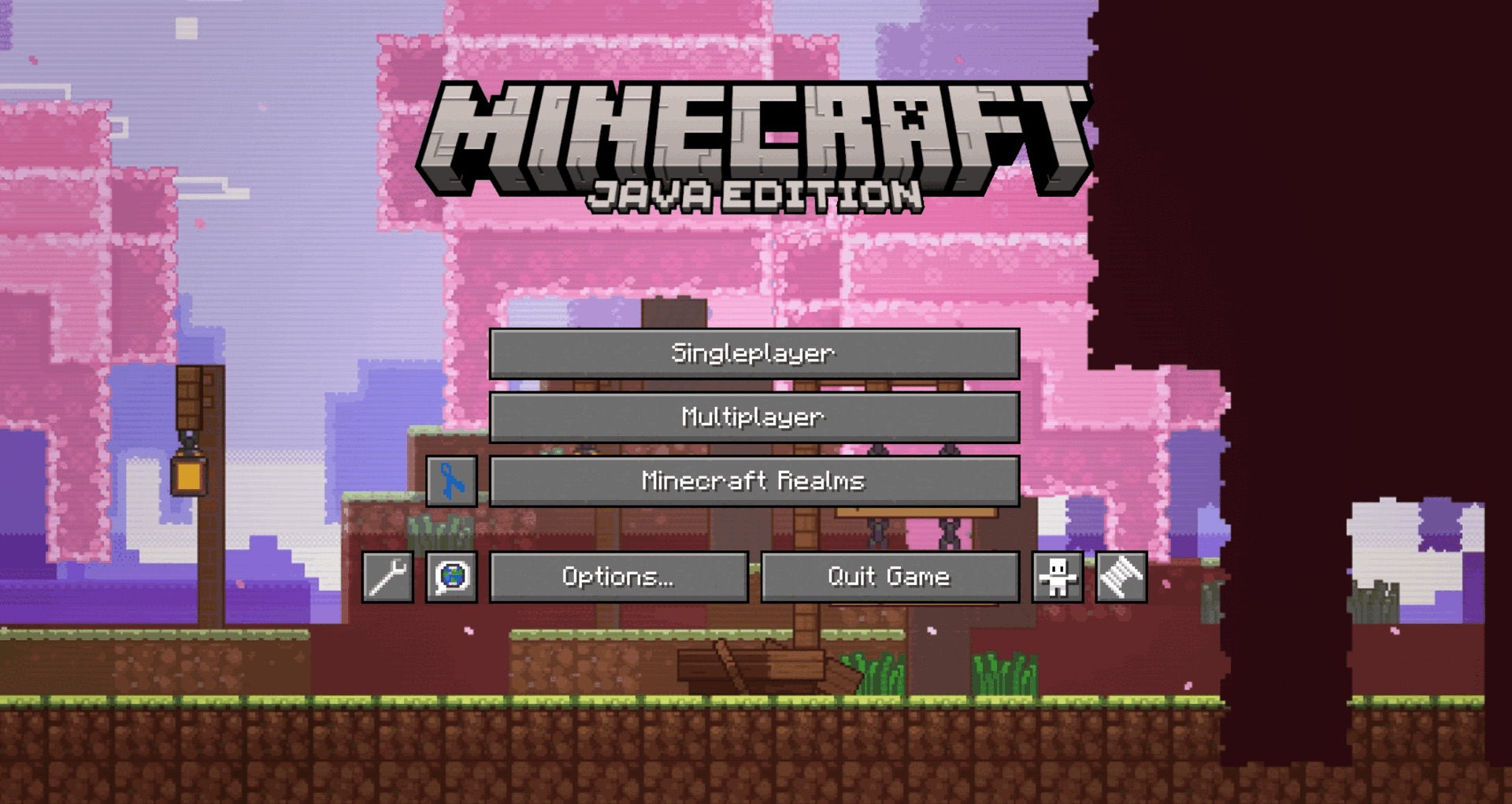
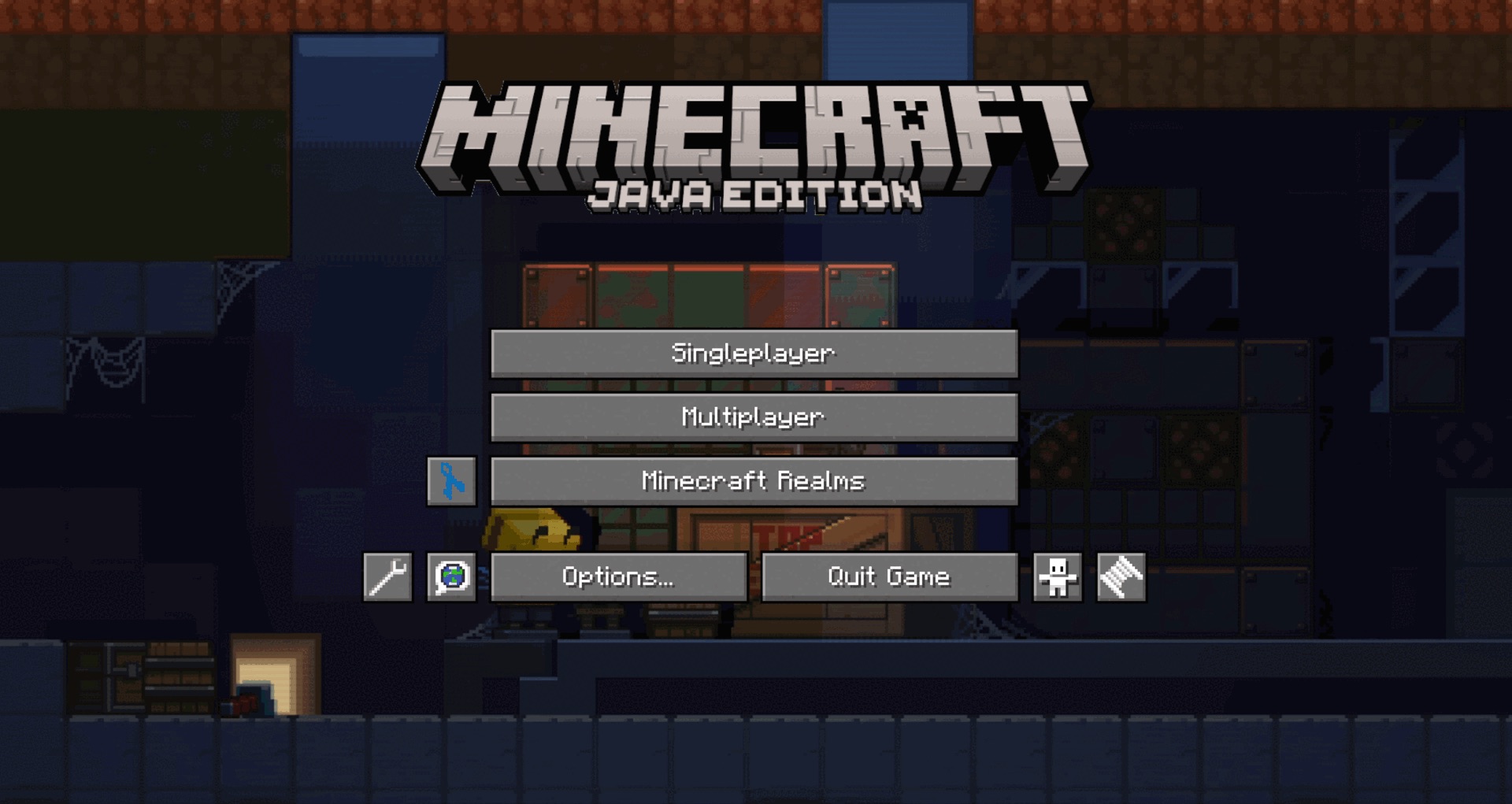
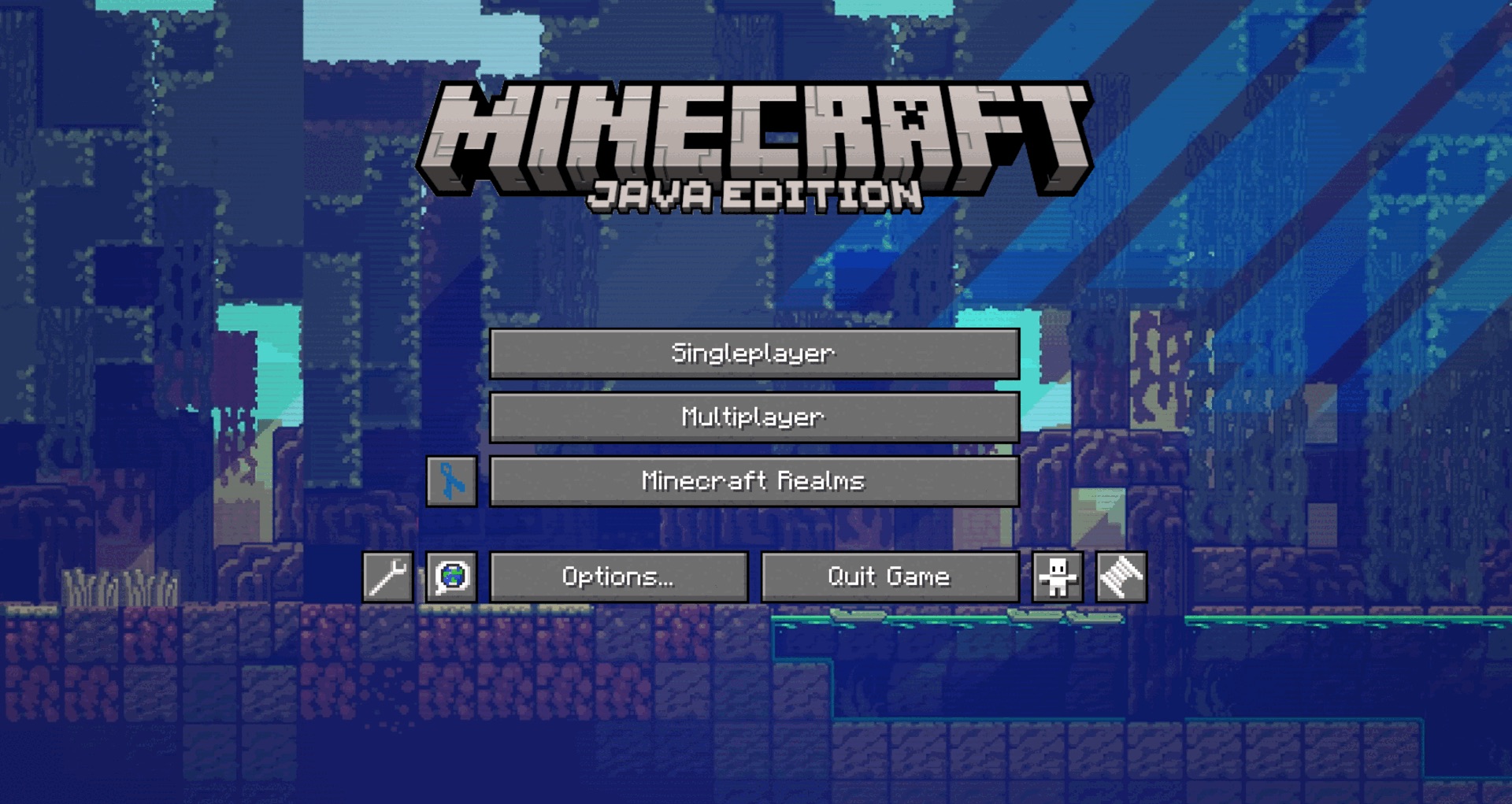
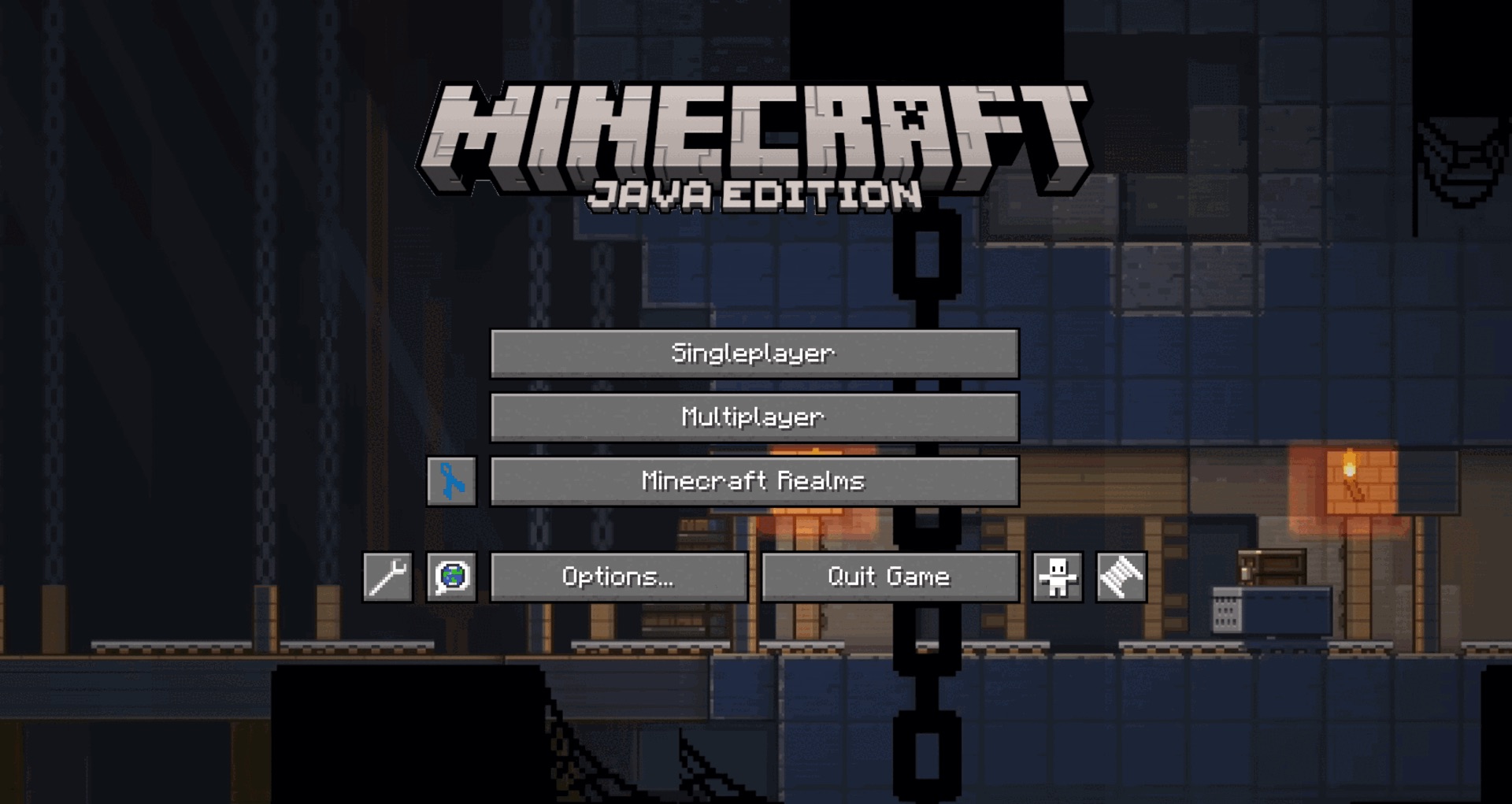
The new UI background options:
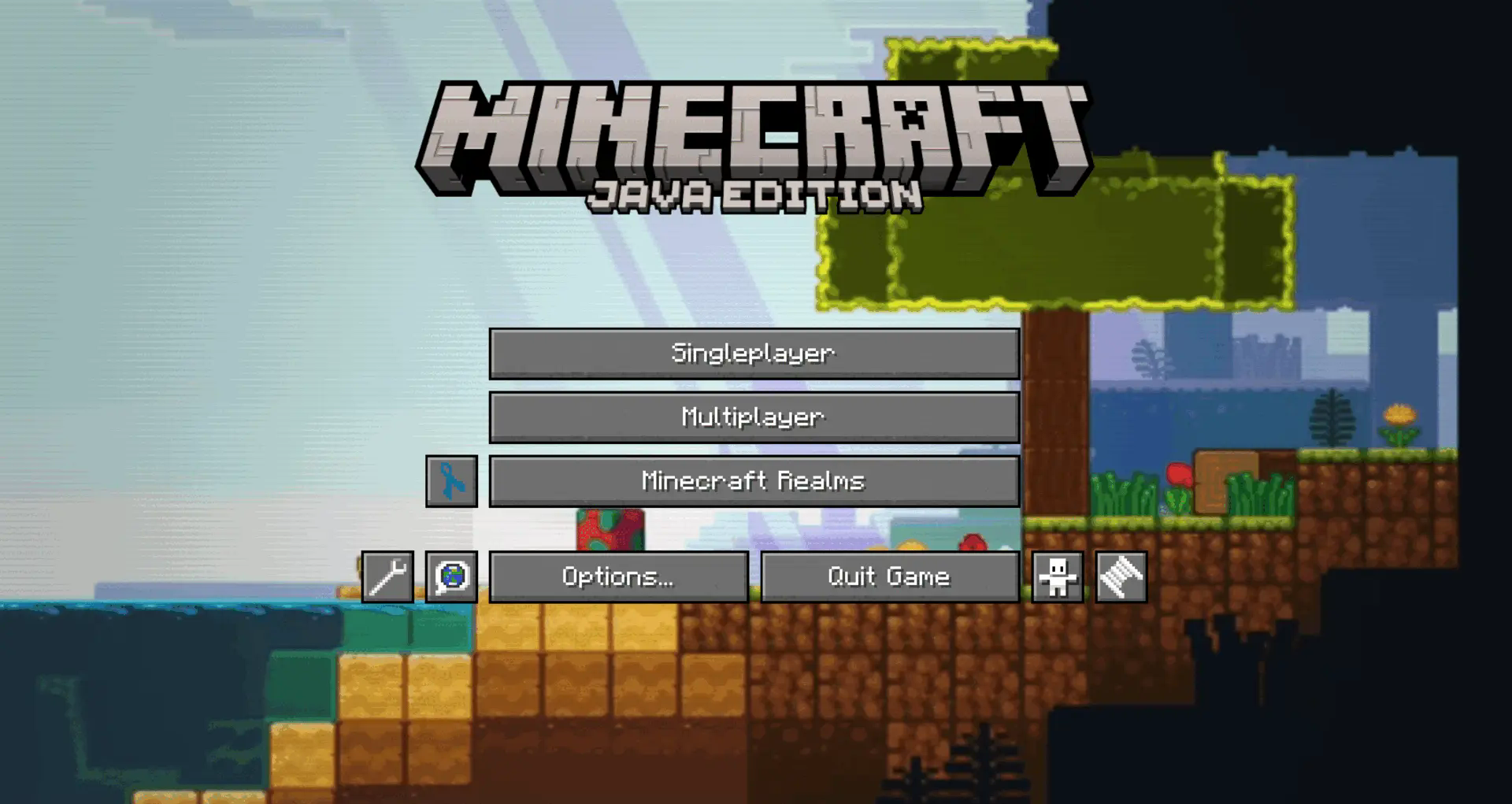 |
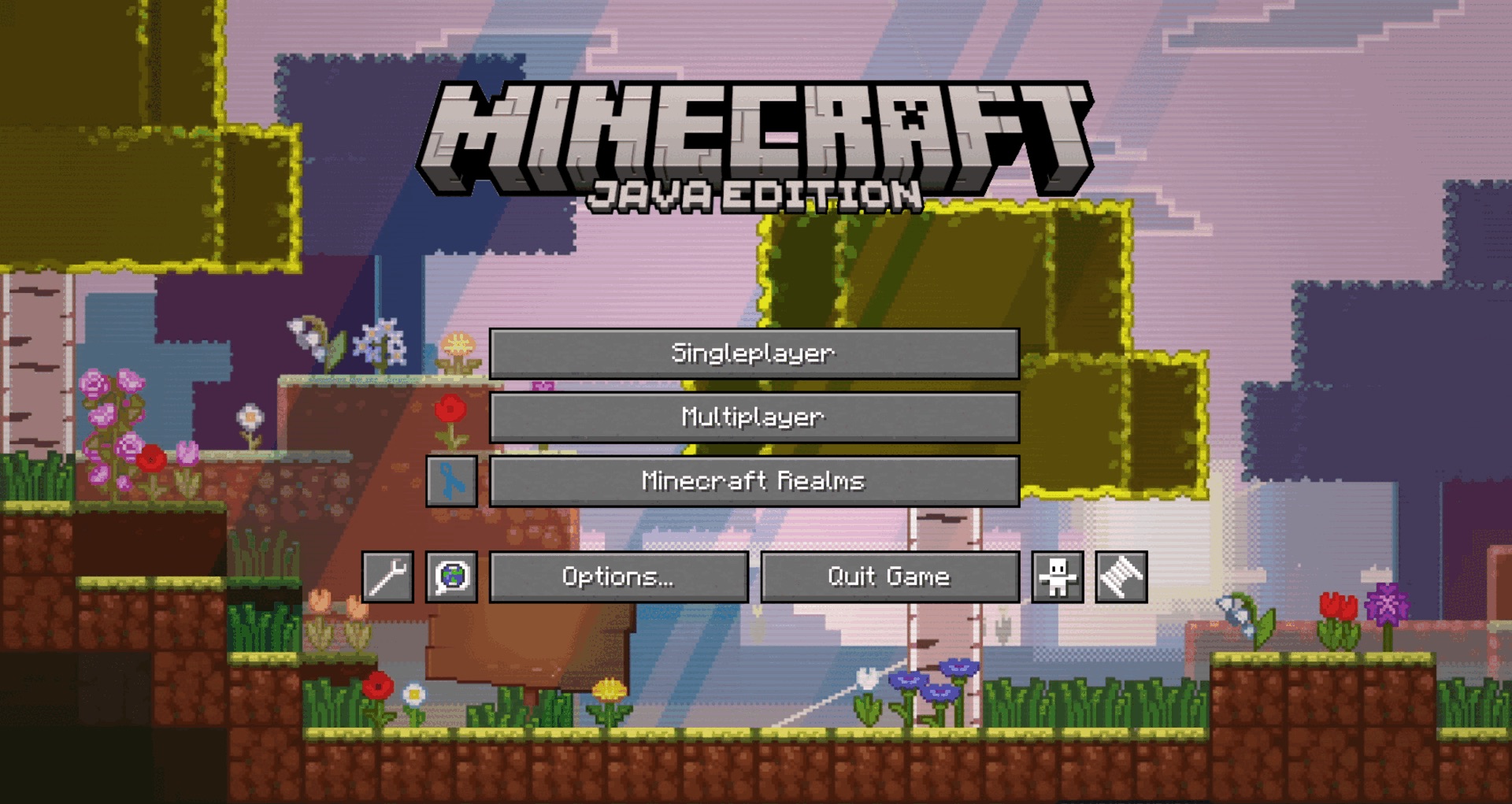 |
 |
 |
|---|---|---|---|
| beach | forest | cherry blossom | copper shaft |
 |
 |
 |
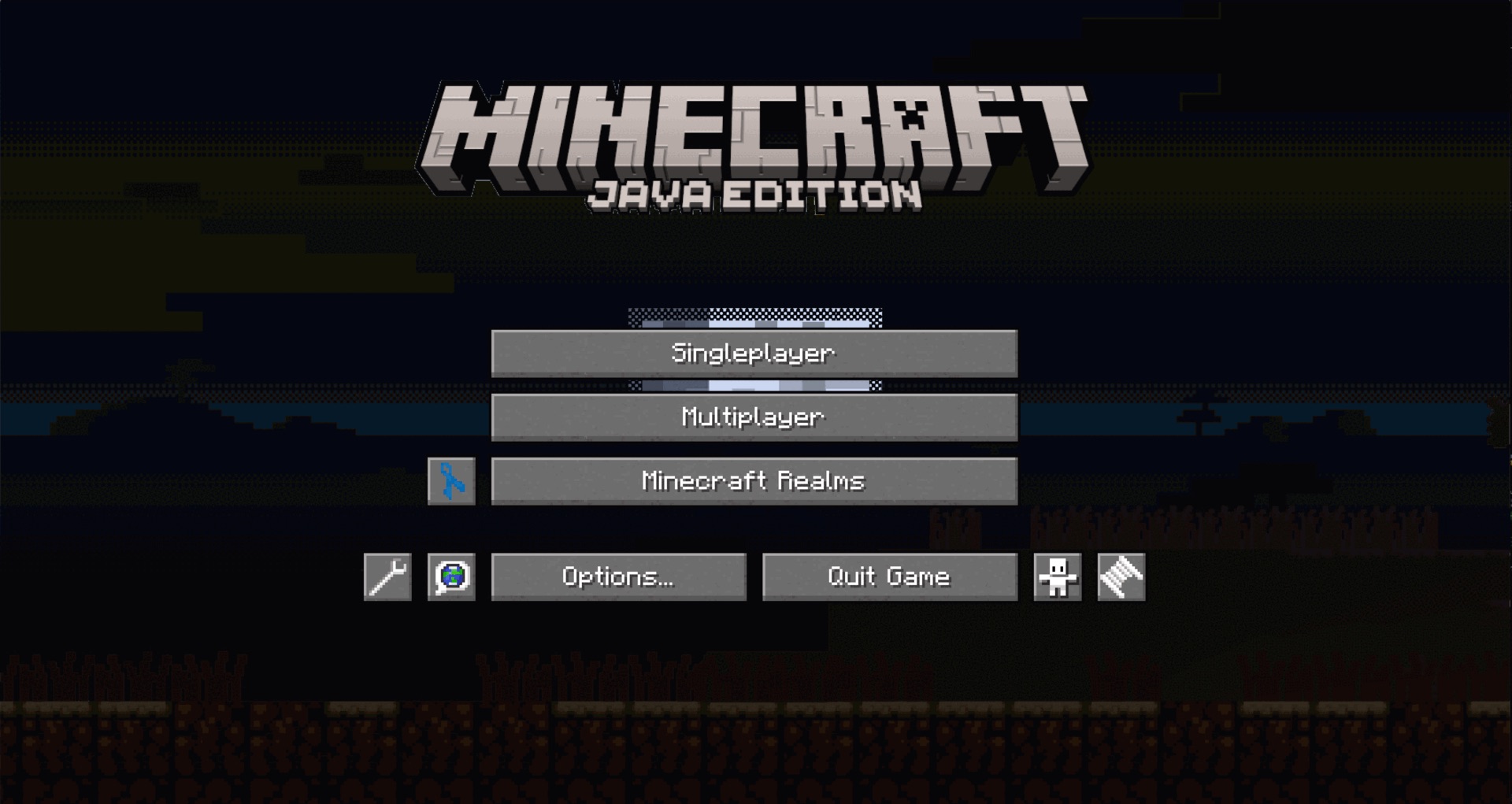 |
| mangrove | mineshaft | mountain | night |
 |
 |
 |
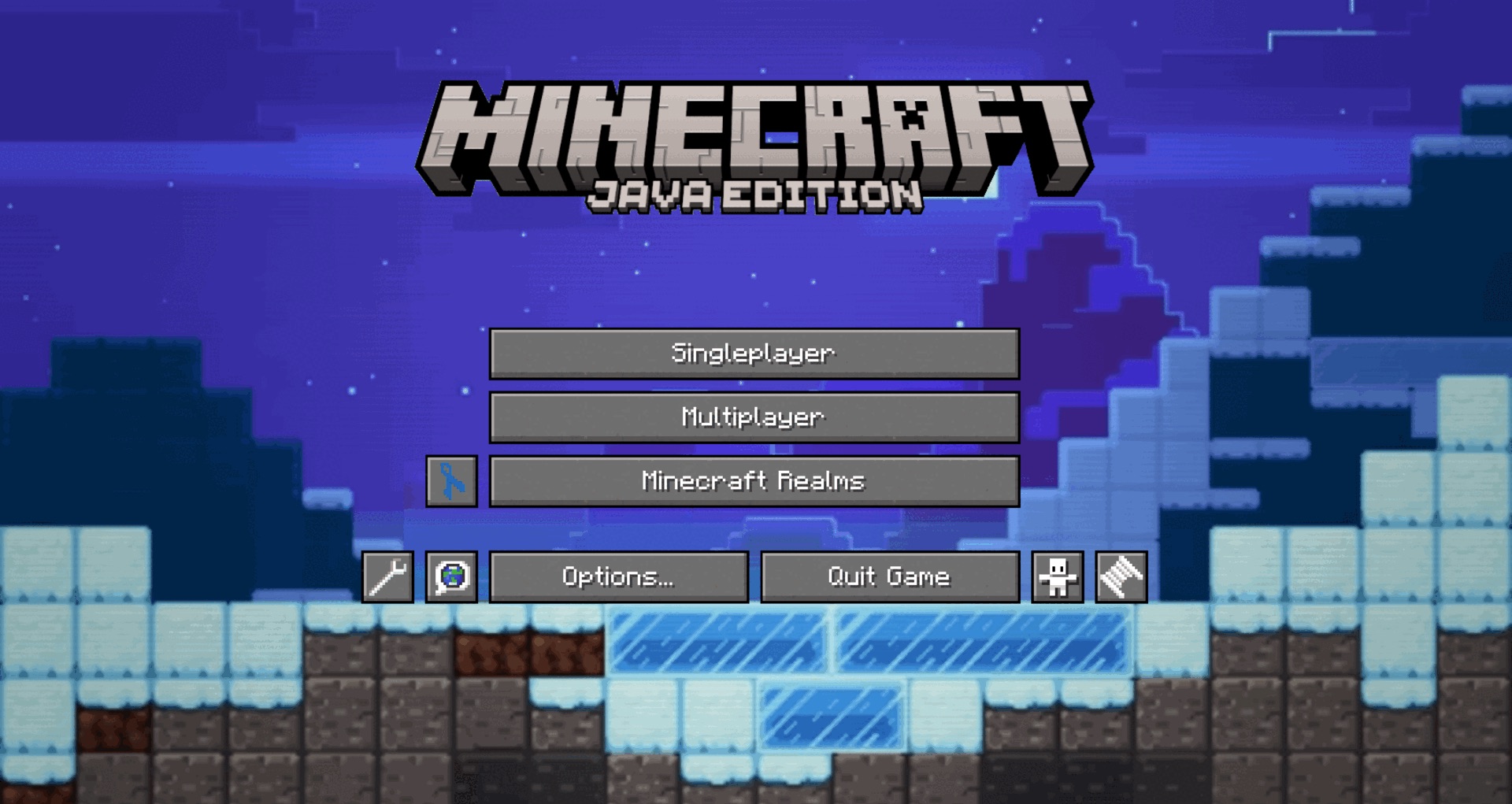 |
| ocean day boat | ocean night boat | ocean night | snowy slope |
 |
 |
 |
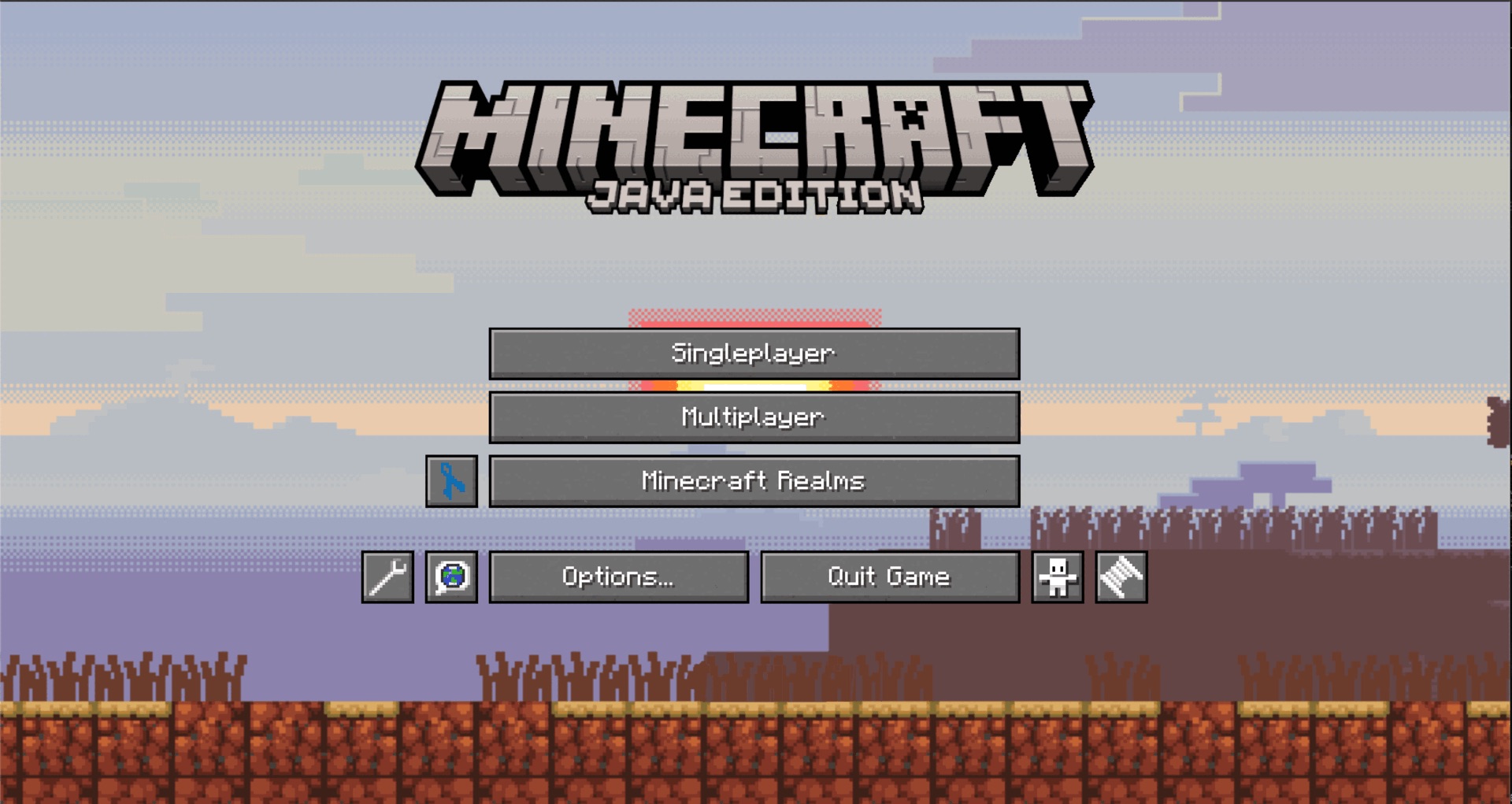 |
| split | swamp | underwater | day |
 |
 |
 |
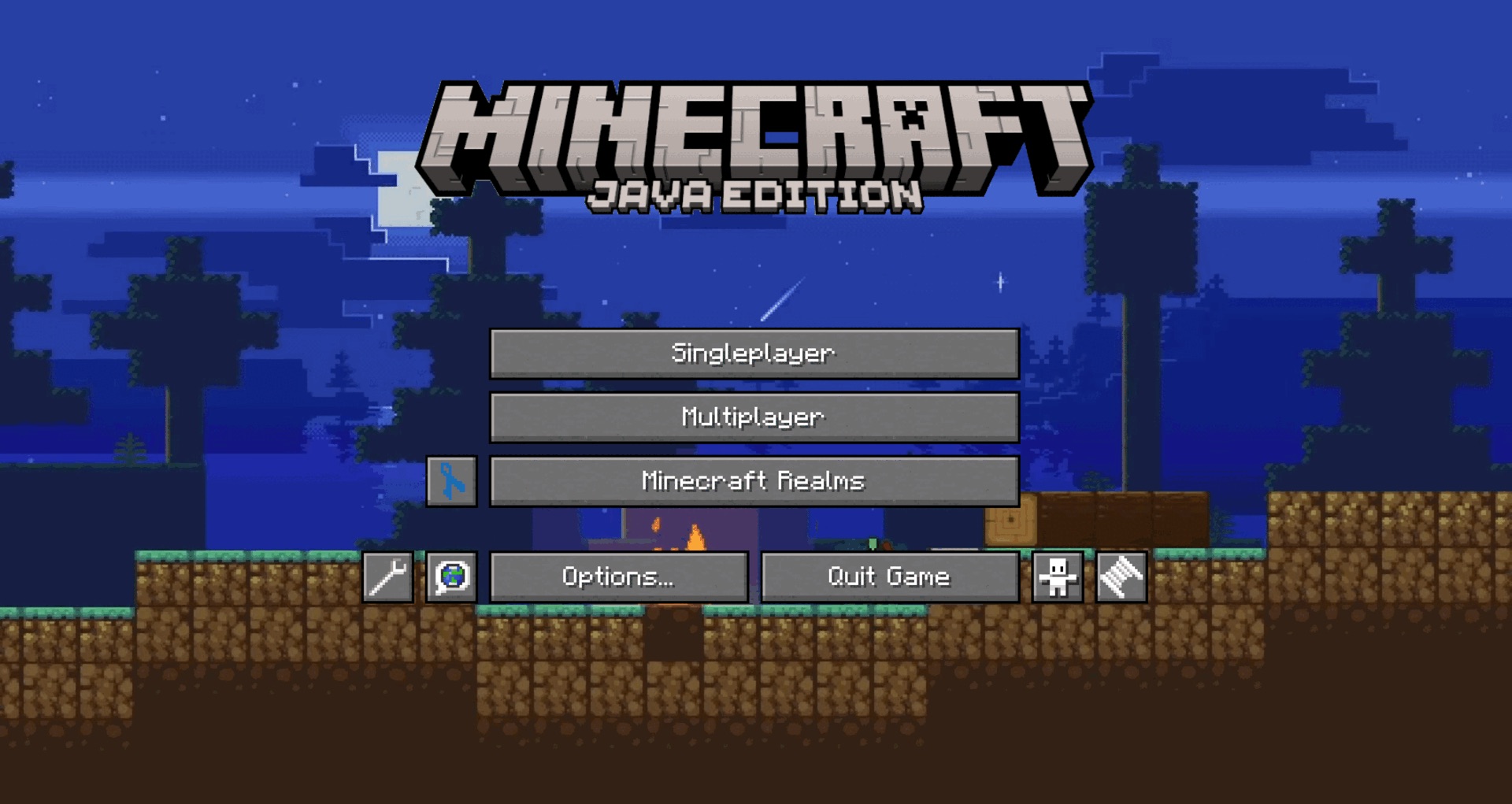 |
| desert | ocean split boat | savanna | taiga |
The UI song options:
| day | night | split | midnight | coma | maze 1 | maze 1 background | maze 2 |
| maze 2 background | maze 3 | maze 3 background | maze 4 | maze 4 background | maze 5 | maze 5 background | recrelation |
| the adversary of finality | apex | maze plunderer | dotted iris | faraway | turnover | stand off | watchtower |
| comeback | approach | - | - | - | - | - | - |
| analiea | ignite | grynn | - | - | - | - | - |
| lunari | grymm | - | - | - | - | - | - |
Mod Manager Menu
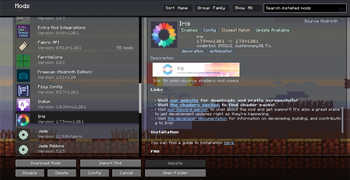
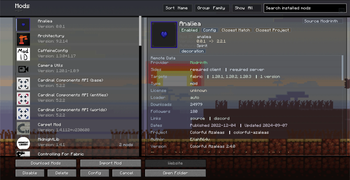
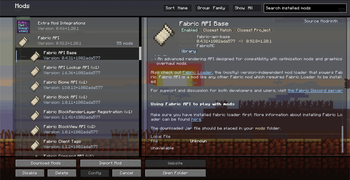
Koil includes an installed mod manager that does more than just list loaded mods.
Features:
- Lists installed Fabric/Quilt mods from the current instance
- Sorts by name, mod ID, author, status, and picture
- Filters by all, enabled, disabled, and has config
- Groups mods by author, status, or family
- Opens a mod's folder directly
- Opens a mod's config when one is detected
- Imports
.jarfiles into the mods folder - Supports disable and delete actions
- Shows local mod metadata
- Can use Modrinth preview data
- Can use CurseForge preview data when CurseForge API access is configured
- Shows useful project/version data like title, summary, author, license, downloads, followers, loaders, game versions, source links, issue links, wiki links, Discord links, and update status when available
This makes Koil useful even before touching any advanced systems. It gives you a real installed-content manager directly inside Minecraft.
Content Browser
Koil includes content screens for finding and managing game content from inside the client.
Supported content types:
- Mods
- Resource packs
- Datapacks
- Shaderpacks
- Server content / Modrinth server discovery
Content browser features:
- Searches Modrinth from inside Minecraft
- Filters content for the current Minecraft version
- Filters mod downloads for Fabric/Quilt where needed
- Shows installed and not-installed content
- Sorts by relevance, name, downloads, and author
- Groups by publisher or source
- Opens project websites
- Opens the correct local folder
- Lets you choose versions before installing
- Installs files into the correct instance folder
- Supports update, uninstall, delete, reload, and restart actions where available
- Shows source/provider preview data when both local and remote metadata exist
- Shows icons, tags, chips, status labels, update indicators, and hover tooltips where available
- Shows local file insight like pack ids, metadata, folder data, zip data, and detected project data
Install targets:
- Mods install to
./mods - Resource packs install to
./resourcepacks - Datapacks install to the selected world's datapacks folder
- Shaderpacks install to
./shaderpacks
CurseForge support exists as an optional path when API access is configured. Modrinth support is the main built-in content source.
Shaderpack Manager
Koil includes a shaderpack manager built to match the newer content browser screens.
Shaderpack manager features:
- Lists local shaderpacks from the shaderpacks folder
- Searches shaderpacks
- Imports shaderpack files
- Opens the shaderpacks folder
- Opens shader websites when project data exists
- Opens the shader download screen
- Enables, disables, selects, deletes, reloads, and cancels shader actions where supported
- Reads shaderpack folders and zip files
- Reads
pack.mcmetaandpack.pngwhen available - Shows shaderpack icons, titles, ids, state chips, local metadata, and remote metadata
- Uses Modrinth metadata when it can find matching shaderpack project data
- Shows downloads, followers, versions, categories, project links, and hover tooltips when remote data exists
- Keeps the content panel styled like the resource pack screen so all pack managers feel consistent
The shaderpack screen is being rebuilt as part of the larger Koil content manager system so shaders can work with the same search, preview, tags, hover, and folder behavior as resource packs and datapacks.
Skin Changer and Skin Editor
Koil includes a skin library and local skin editor system.
Skin changer features:
- Shows saved skin cards
- Shows the selected skin preview
- Applies a saved skin locally on the client
- Restores the account skin when needed
- Supports vanilla skin part buttons
- Lets saved skins be renamed, edited, and deleted
- Stores active skin data so Koil can remember the selected local skin
- Uses local texture caching for saved skin entries
Skin editor features:
- Shows a player model preview
- Lets skin pixels be edited in-game
- Includes tool buttons and a right-side tool panel
- Supports palette handling
- Includes color picker popup work
- Saves editor palette data with the skin library
- Supports texture helpers for reading, writing, registering, copying, alpha handling, lightening, and darkening skin textures
Koil can also fetch skins from player names using Mojang profile data and best-effort NameMC history data. This makes it possible to pull a player's skin into the Koil skin library without manually finding the PNG first.
The local skin system is client-side. It is meant for previewing and using Koil's active local skin without permanently replacing the user's account skin.
Config Editor
Koil has a config editor for people who do not want to hand-edit every config file in a normal text editor.
Supported config formats:
- JSON
- JSON5
- TOML
- YAML / YML
- Properties
- CFG
- CONF
- INI
- TXT
The editor detects common value types and turns them into better controls when possible.
Detected control types include:
- Booleans
- Numbers
- Sliders
- Strings
- Long text values
- Lists
- Paths
- Links
- Versions
- Keybinds
- Registry IDs
- Sound values
- Colors
- RGBA groups
- Hex colors
- Coordinates
- Width and height values
- Min and max ranges
- Padding and margin groups
- Resolution values
- Enable/disable groups
- Feature cards
- Mapping values
- Seed values
- Tri-state values
- Size entries
- Section inspector values
Useful config tools:
- Search config values
- Filter changed values
- Save changes
- Reset values
- Open config file location
- Switch linked configs through
rectConfig - Discover config files for installed mods
- Open detected mod config files from the installed mod manager
- Validate registry-style values like items, blocks, entities, effects, particles, and sounds
- Preview supported sound config values
- Load design values from a selected
uiThemeanduiDesignDirectory - Read more Koil UI colors from
uiColorValand design config data
This means Koil can turn many raw config files into actual editable screens without every mod needing to build its own config menu.
File Explorer
Koil includes an in-game file explorer for the Minecraft instance.
File explorer features:
- Browse folders from inside Minecraft
- Jump to root or reset location
- Search the current directory
- Open files with Koil tools
- Open files with the system default application
- Open folders directly
- Copy file paths
- Rename files
- Delete files with confirmation
- Open editable files in the Koil editor
- Open config-like files in the Koil config editor
- Inspect local mod jars
- Preview folders as a tree
- Preview supported images
- Preview animated GIF files
- Preview supported audio files with controls
- Recognize video files for video preview/metadata handling
- Probe video metadata and build video thumbnails when supported
- Cache image textures, poster frames, and managed preview textures
- Detect archive files like
.zip,.rar,.7z,.tar,.gz,.bz2,.xz,.jar,.war, and.ear
Supported preview/edit categories include:
- Text files
- Config files
- Code files
- Logs
- Markdown
- Minecraft files like
.mcmeta,.mcfunction,.mcpack, and.mctemplate - Image files
- Audio files
- Video files / video metadata
- Archives
- Local mod jars
The file explorer is one of Koil's core systems because many other Koil tools use it as the base for opening folders, configs, packages, skins, content files, and local files.
File Editor
Koil includes a file editor for editing supported files without leaving Minecraft.
Syntax modes include:
- JSON / JSON5 / MCMETA
- Java
- Properties
- Config
- XML
- YAML
- KTL
- Markdown
- JavaScript / TypeScript
- TOML
- CSS
- C
- C++
- C#
- Python
- Shader files
- Logs
- Plain text
Supported code/config extensions include:
.json.json5.mcmeta.java.properties.cfg.conf.ini.xml.yaml.yml.ktl.md.js.ts.toml.css.c.cpp.cs.py.glsl.vert.frag.log.txt
The syntax system uses cached highlighting so files can be edited with less repeated parsing.
Package System
Koil has its own package builder and package installer system.
Package installer features:
- Detects
koil-package-*folders and zip packages - Reads package metadata from
package.json - Reviews files before applying the package
- Shows add, replace, and remove operations
- Shows package file counts
- Shows changed existing files
- Shows added files
- Shows removed files
- Supports package identity data
- Supports package install previews
- Supports SHA-256 verification when hashes are provided
- Blocks unsafe zip paths from writing outside the instance root
- Skips package metadata and temporary system files
- Removes the package source after it is applied
- Logs package work into Koil package logs
Package builder features:
- Select files and folders from the instance
- Render package trees in the builder screen
- Set package author data
- Set serial/package data
- Generate package output into
./koil/packages/built - Open the output folder after building
This is useful for sharing Koil changes, theme files, config setups, test files, datapacks, resource files, or controlled instance edits without manually copying everything file by file.
Console and Logs
Koil includes an in-game console screen for reading and interacting with log output.
Console channels:
- Koil Logs
- Package Logs
- Minecraft Logs
- CLI
Console features:
- Reads Koil logs from
./koil/logs - Reads package logs from
./koil/logs/package - Reads Minecraft logs from
./logs/latest.log - Stores up to 4,000 records per channel
- Search log history
- Use command input
- Use input history
- Use suggestions
- Open KTL source files from automation output
- Pop out the console into an external window
- Uses styled lines, styled spans, channel colors, levels, records, and themes
- Shows automation CLI snapshots, rows, HUD blocks, state colors, and node canvas rendering
Suggestion support includes:
- Previous console inputs
- Minecraft command suggestions
- Registry-based suggestions for items, blocks, entities, effects, particles, and sounds
- Automation commands
- KTL template/file suggestions
- Market and stat related command suggestions when those systems expose them
The console is meant to give users and developers one place to read logs, inspect Koil output, run supported command input, and open related automation files.
KTL Automation System
Koil includes an experimental automation system built around .ktl files.
Automation commands include:
/automate/automate exit/automate chat/run <input>/proof/proof all/proof cache
KTL system features:
- Loads
.ktlfiles from./koil/automation - Caches compiled task files
- Tracks source fingerprints
- Validates duplicate IDs
- Supports task templates and task macros
- Supports grammar and lexicon files
- Supports condition definitions
- Supports selector packs
- Supports proof testing
- Supports structured feedback events for failed tasks
- Tracks runtime status and presence data
- Supports remote run packet handling where the connected side supports it
- Renders automation CLI state into the chat HUD and console canvas views
Automation capability areas include:
- Movement
- Looking
- Interaction
- Inventory
- Containers
- Combat
- Waiting
- Reporting
- World scanning
- Target validation
- Player state
- Commands
- State memory
- Counters
- Candidate safety checks
- Block tracing
- Cached entity references
This system is still experimental, but it is already built into Koil as a real file-backed automation layer.
Stats Screen and Market System
Koil rebuilds the vanilla stats screen and adds a market system based on in-game and global player stats.
Stats screen features:
- Redesigns the vanilla stats screen to fit Koil's UI style
- Adds overview, general stats, item stats, mob stats, and market pages
- Adds search for stat rows and market entries
- Uses row caching and optimized list rendering for larger stat/market lists
- Shows compact metric cards
- Shows hover tooltips for stat and market details
- Supports global stat data and current world stat data where available
Market system features:
- Builds markets from block, item, entity, and activity signals
- Supports head markets, sub markets, raw markets, and dev markets
- Tracks demand, supply, scarcity, trend, confidence, and value movement
- Uses Minecraft day filtering instead of real-world day filtering
- Shows Today, 3 Days, 7 Days, and All range options through a dropdown next to search
- Shows charts with moving averages, volume bars, OHLC candle data, hover nodes, candle cause tooltips, and data ribbons
- Keeps filtered graphs focused on the selected day range
- Supports physical Momens currency data and source value lookup
Market commands include:
/market create/market remove/market list/market sync/market quote/market catch/market catch off/market catch update/market compare/market compare-id/market base/market currency/market source/market compact/market reserves/market config/market reload-config
The market catch HUD can show watched market movement, quote updates, compare data, baselines, and compact change text so market changes are easier to read during gameplay.
Performance Optimizer
Koil includes an in-game performance optimizer screen for checking what is affecting the client while Minecraft is running.
This screen does not just show FPS. It reads live runtime data and turns it into diagnostics, charts, recommendations, and supported setting changes.
Features:
- Runs a 5 second live benchmark
- Tracks FPS
- Tracks average FPS
- Tracks 1% low FPS
- Tracks frame time
- Tracks memory usage
- Tracks JVM/GC pressure
- Tracks entity load
- Tracks chunk pressure
- Tracks shader pressure
- Tracks modpack pressure
- Tracks resource pack pressure
- Tracks UI frame pressure
- Tracks world simulation pressure
- Shows the primary performance bottleneck
- Shows likely cause text for the current bottleneck
- Scans hardware profile data
- Captures runtime context from the current game state
- Detects world type, dimension, screen context, resource packs, shader state, and optimization config files
- Gives performance recommendations based on the active profile
- Shows provider settings that Koil can detect
- Filters providers, settings, and recommendations through search
- Applies supported optimization changes
- Reverts the last supported apply action
- Can write a performance report
- Saves the screen session while it is open
- Keeps live monitoring and optimization tests ticking during client updates
- Does not pause the game while open
Diagnostic panes:
- Overview
- Render
- Process
- Memory
- Server
- Gameplay
- UI
- World
- Mods
- All
Live chart types:
- FPS stability
- Frame time spikes
- Memory pressure
- GC activity
- Entity load
- Tick pressure
- Chunk stress
- Shader pressure
- Modpack pressure
- Resourcepack pressure
- Server wait / network context
- Server-side load risk
- Gameplay entity pressure
- Input/update pressure
- UI frame cost
- UI memory pressure
- World/chunk streaming
- World simulation load
Koil also separates performance responsibility into groups so the user can better understand where the issue is coming from:
- Client
- World
- Server
- Gameplay
- Render
- Modpack
Commands connected to this system include:
/optimize/stats
This makes the optimizer useful for players, modpack makers, and developers because it shows what is happening, what system is most likely causing it, and what supported changes Koil can apply.
F3 Redesign
Koil includes a redesigned F3 debug overlay built to turn Minecraft's debug data into readable panels, meters, graphs, and target information.
The overlay only renders when Koil's UI redesign is enabled and the Koil F3 overlay is visible. It respects hidden HUD state, so it does not render when the HUD is disabled. Koil also has config support for keeping the vanilla F3 design when users do not want the redesigned F3 overlay.
F3 redesign features:
- Rebuilds the left F3 data into compact readable rows
- Rebuilds the right F3 data into grouped system/render/network rows
- Keeps access to vanilla F3 rows when captured
- Adds scrollable debug panels
- Adds compact mode for quick FPS, frame time, memory, and target info
- Adds performance mode with FPS, 1% low, frame time, memory graph, world graph, and likely cause
- Adds graph mode with a scrollable graph rail
- Adds inspector-style target data
- Adds self/player data panels
- Adds developer data rows in advanced modes
- Adds fallback data if vanilla F3 capture is unavailable
- Adds mouse interaction support for the redesigned overlay
- Adds debug command bridge support
Core data shown:
- XYZ position
- Block position
- Chunk position
- Facing
- Velocity
- Health
- Hunger
- Selected item
- Dimension
- Biome
- Weather
- Block light
- Sky light
- Time
- Region file
- Block entities
- Chunk entities
- Client entities
- Java/runtime data
- OS/system data
- Heap usage
- CPU thread data
- Window/render data
- Graphics setting
- Clouds
- Particles
- Mipmap
- Shader mod state
- Connection type
- Ping
- Listed players
Graph rail cards:
- Pressure Estimate
- Render Stack
- Frame Flow
- FPS Flow
- Heap Flow
- Client Load
- Environment Signals
- Light Stack
- World Rhythm
- Chunk Heat
- Self Signals
- Network Pulse
- Coordinate Map
- Orientation
Target-aware graph cards:
- Block Profile
- Block Structure
- Block Tags
- Mob Vitals
- Mob Motion
- Mob Brain
- Item Stack
The F3 redesign also shows more useful target data when looking at something in the world.
Target types handled:
- Blocks
- Containers
- Fluids
- Entities
- Players
- Items
Block target data can include:
- Hardness
- Blast resistance
- Luminance
- Redstone power
- Block structure data
- Tag namespace counts
- Mod/source ownership when available
Entity target data can include:
- Health/vital data
- Motion data
- Brain/AI style data when available
- Tags and target details
Item target data can include:
- Stack information
- Item-related target details
The goal of the F3 redesign is to make debug data easier to use during real gameplay, mod testing, pack testing, and performance debugging. Instead of forcing the user to read raw F3 text, Koil organizes the same kind of data into panels, meters, charts, and target breakdowns.
JAPI and Datapack Modding
Koil includes JAPI, a JSON-powered system for creating custom blocks and items through datapacks.
This lets datapack makers define new content with JSON files instead of writing a full Java mod for every block or item idea.
JAPI scans world datapacks for Koil JSON content and copies it into Koil's world JSON folder.
Supported datapack paths:
data/koil/json/blocksdata/koil/json/items
Koil stores copied files here:
./koil/json/<world name>/blocks./koil/json/<world name>/items
JAPI block features:
- Register custom blocks from JSON
- Set block ID through
mod-idandname - Choose the block type
- Copy settings from an existing Minecraft block
- Set hardness
- Set resistance
- Set custom break, step, place, hit, and fall sounds
- Set sound volume
- Set sound pitch
- Require tools
- Break instantly
- Burn
- Drop nothing
- Remove collision
- Use non-opaque rendering behavior
- Tick randomly
- Set luminance
- Set piston behavior
- Register the block item automatically
JAPI block types include many vanilla-style block classes, including:
- basic blocks
- doors
- trapdoors
- fences
- fence gates
- slabs
- stairs
- walls
- buttons
- pressure plates
- crops
- plants
- flowers
- torches
- redstone blocks
- rails
- containers
- lights
- glass
- panes
- leaves
- skulls
- signs
- candles
- cauldrons
- sculk blocks
- vines
- coral blocks
- Nether blocks
- End blocks
JAPI item features:
- Register custom items from JSON
- Set item ID through
mod-idandname - Choose the item type
- Set rarity
- Set max stack count
- Set durability
- Make items fireproof
- Create food items
- Add food hunger value
- Add food saturation
- Add food status effects
- Create tool items
- Set tool material
- Set attack damage
- Set attack speed
- Create spawn eggs
- Set spawn egg colors
- Create dye items
- Create minecart items
- Create potion-style items
- Create block-linked items
JAPI item types include:
- normal items
- food
- swords
- pickaxes
- axes
- shovels
- hoes
- bows
- crossbows
- shields
- tridents
- fishing rods
- shears
- elytra
- spawn eggs
- potions
- splash potions
- lingering potions
- tipped arrows
- books
- written books
- writable books
- maps
- minecarts
- music discs
- dyes
- buckets
- name tags
- saddles
- end crystals
- firework items
- skull items
- block attachment items
This system gives datapack creators a way to build real registered Minecraft blocks and items while keeping the content inside datapack-style JSON folders.
JAPI is useful for:
- datapack creators
- modpack makers
- server packs
- custom world projects
- people who want custom content without making a full Java mod
- testing block and item ideas faster
- building content that can be shipped through datapacks
JAPI does not replace full Java modding. It gives creators a faster JSON path for block and item content that Koil can read, copy, and register.
Compatibility Notes
Current compatibility:
- Controlling For Fabric: supported with Koil's redesigned controls screen path
- Iris/shaderpack paths: used by Koil shader detection and shaderpack manager work where available
Planned compatibility work:
- Replay Mod / Flashback debug event review
- More shader install flow checks for different Iris setups
- More pack manager checks across launcher layouts
Planned items are not listed as current features. They are only listed here so users know what direction Koil is heading.
Why Use Koil?
Use Koil if you want a Minecraft client that can manage more of the instance from inside the game.
Koil is useful for:
- Players who install and test many mods
- Modpack makers
- Datapack makers
- Resource pack makers
- Developers
- People who edit configs often
- People who want faster access to logs
- People who want in-game file tools
- People who want a stronger content management layer
- People testing automation or KTL files
Koil is not just one feature. It is a growing in-game tool layer for Minecraft.
Development Status
Koil is actively being built. Some systems are complete enough to use now, and some are still marked as in development inside the mod.
Current strong systems:
- Installed mod manager
- Config editor
- File explorer
- File editor
- Package builder/installer
- Console/log viewer
- Modrinth-based content browsing
- Runtime config/design system
- Update branch/changelog system
- First launch bootstrap system
- Shaderpack manager foundation
- Skin library foundation
- Redesigned stats screen foundation
- Performance optimizer foundation
- F3 redesign foundation
Experimental systems:
- KTL automation
- Proof testing
- Feedback-driven automation improvement
- Market command/catch HUD workflows
- Momens currency tracking
- Some resource pack/datapack content workflows
- Local world comparison workflows
- Optional CurseForge paths when API access is configured
0.70.26 is a large unfinished development branch. Some systems are being actively changed while Koil moves more screens and tools onto the newer UI and content framework.
[!] Developer Features
Koil is not only built for players. It also includes tools made for people building mods, modpacks, datapacks, resource packs, configs, packages, and automation files.
- Config Switcher
Koil configs can link other config files into the same config screen using rectConfig.
Adding this to a config file:
{
  "rectConfig": [
    "./path/to/file/from/instance"
  ]
}
will make Koil add those files to the config screen's Switch button.
Example:
{
  "rectConfig": [
    "./koil/sys/config.json",
    "./koil/sys/design/design.json"
  ]
}
When the user presses Switch, Koil cycles between the main config and the linked config files.
Supported path behavior:
./path/file.jsonstarts from the Minecraft instance folder- normal relative paths can resolve from the config file's folder
- absolute paths can also work
- broken or missing files are ignored
- only real files are added to the switch list
This is useful when one mod has multiple config files, theme files, design files, or system files that should be edited from the same config screen.
- Config Detection
Koil can detect config files for installed mods instead of only opening one hardcoded file.
Koil scans the instance config folder and matches files by:
- mod ID
- mod name
- matching file names
- matching folder names
- supported config formats
Supported config formats:
- JSON
- JSON5
- TOML
- YAML / YML
- Properties
- CFG
- CONF
- INI
- TXT
This lets Koil open a mod's config from the installed mod menu when a matching config file is found.
- Config Value Tools
Koil's config editor does not only show raw text. It detects common value types and gives them better controls when possible.
Supported config value tools include:
- booleans
- numbers
- sliders
- strings
- long text
- lists
- file paths
- links
- versions
- keybinds
- registry IDs
- sound values
- color values
- RGBA color groups
- hex colors
- coordinates
- width and height groups
- min and max groups
- padding and margin groups
- resolution values
- enable and disable groups
Koil can also validate Minecraft registry-style values for things like:
- items
- blocks
- entities
- effects
- particles
- sounds
- File and Editor Tools
Koil includes in-game file tools for editing and inspecting instance files without leaving Minecraft.
Developer file tools include:
- open files in Koil's editor
- open config files in Koil's config editor
- open parent folders in Koil's file explorer
- open files with the system default app
- copy file paths
- search inside files
- replace text
- syntax highlighting for code, config, log, markdown, and KTL files
- image preview
- audio preview
- GIF preview
- archive detection
- local jar inspection
This makes Koil useful for debugging configs, checking generated files, editing datapacks, editing resource packs, and reviewing logs while the game is running.
- Package Tools
Koil has a package builder and package installer for controlled instance file changes.
Package tools can:
- build Koil packages from selected files
- output packages to
./koil/packages/built - read package metadata from
package.json - preview package actions before applying
- show files that will be added
- show files that will be replaced
- show files that will be removed
- verify SHA-256 hashes when provided
- block unsafe zip paths
- skip package metadata and temporary files during install
This is useful for shipping themes, configs, datapacks, resource files, test files, and controlled Koil system changes.
- Console and Automation Tools
Koil includes developer-focused console and automation tools.
Console tools include:
- Koil log viewer
- package log viewer
- Minecraft log viewer
- CLI channel
- search
- command history
- command suggestions
- external console window support
Automation tools include:
.ktltask files/runinput handling/automatemode controls- proof testing
- feedback commands
- KTL syntax highlighting
- automation source opening from console output
The automation system is still experimental, but it is already file-backed and built into Koil.
- Screen Tools
Koil adds utility actions to supported Minecraft and Koil screens.
Depending on the screen, Koil can add actions for:
- screen info
- opening related folders
- opening related files
- opening files in Koil's editor
- opening folders in Koil's file explorer
- toggling Koil UI systems
- toggling design music
- toggling menu panorama
This gives developers and pack makers faster access to the files and systems connected to the screen they are currently using.
[!] Koil Ko-fi Support (100% Optional)
Koil Supporter  Copper Copper $2.59 |
Koil Supporter  Silver Silver $6.98 |
Koil Supporter  Gold Gold $11.72 |
|---|---|---|
| ---------------------------------- | ---------------------------------- | ------------------------------------ |
| Support the development of Koil by funding a small amount per month! | Support the development of Koil by funding a large amount per month! | Support the development of Koil by funding a Ginormous amount per month! |
 |
|
|
| ---------------------------------- | ---------------------------------- | ------------------------------------ |
[!] Koil Youtube Showcases
Minceraft Public Alpha Release - Log: 4
Koil 0.70.17 Config Changes - Log: 5
Making Custom Blocks and Items Using only a DATAPACK - Log: 6
How to make a Resourcepack for your Blocks/Items - Log: 7
Koil In-game Updating! (not actually auto updating) - Log: 9
How to set backgrounds for Minecraft - Log: 10
Available Versions
How to Install Koil on Your Server
Order Server
Order a Minecraft Java server with at least 3 GB RAM (4 GB recommended).
Set fabric Loader
In the panel under "Egg", select the fabric loader and matching Minecraft version (1.20.1).
Install Mod
Open the mod browser in the dashboard and search for "Koil". Click "Install" – done! Alternatively, upload the .jar via SFTP to the /mods folder.
Compatibility
Mod Loaders
Minecraft Versions
1.20.1
Server-side
✓ RequiredRecommended RAM
4 GB(min. 3 GB)Frequently Asked Questions
Koil server crashes on startup – what to do?
Most common cause: wrong fabric version or insufficient RAM. Check the server log (latest.log) for "OutOfMemoryError" or "Mixin" errors. With Mado Hosting: ensure at least 3 GB RAM is allocated and the loader matches the mod version (1.20.1). You can switch loaders with one click in the panel.
Is Koil compatible with fabric and quilt?
Koil officially supports fabric, quilt for Minecraft 1.20.1. The Mado dashboard automatically detects incompatible loader combinations.
Server lagging with Koil – how to optimize performance?
Recommended RAM: 4 GB (per 8 players). Use /spark profiler to check if Koil consumes the most tick time. Common fixes: reduce server view-distance to 8-10, install "performant" or "starlight" as supplementary mods on Forge. With Mado Hosting, your server runs on NVMe SSDs with dedicated CPU cores for minimal latency.
Similar Mods




Rent Modded Server
Install Koil with just one click on your server.